
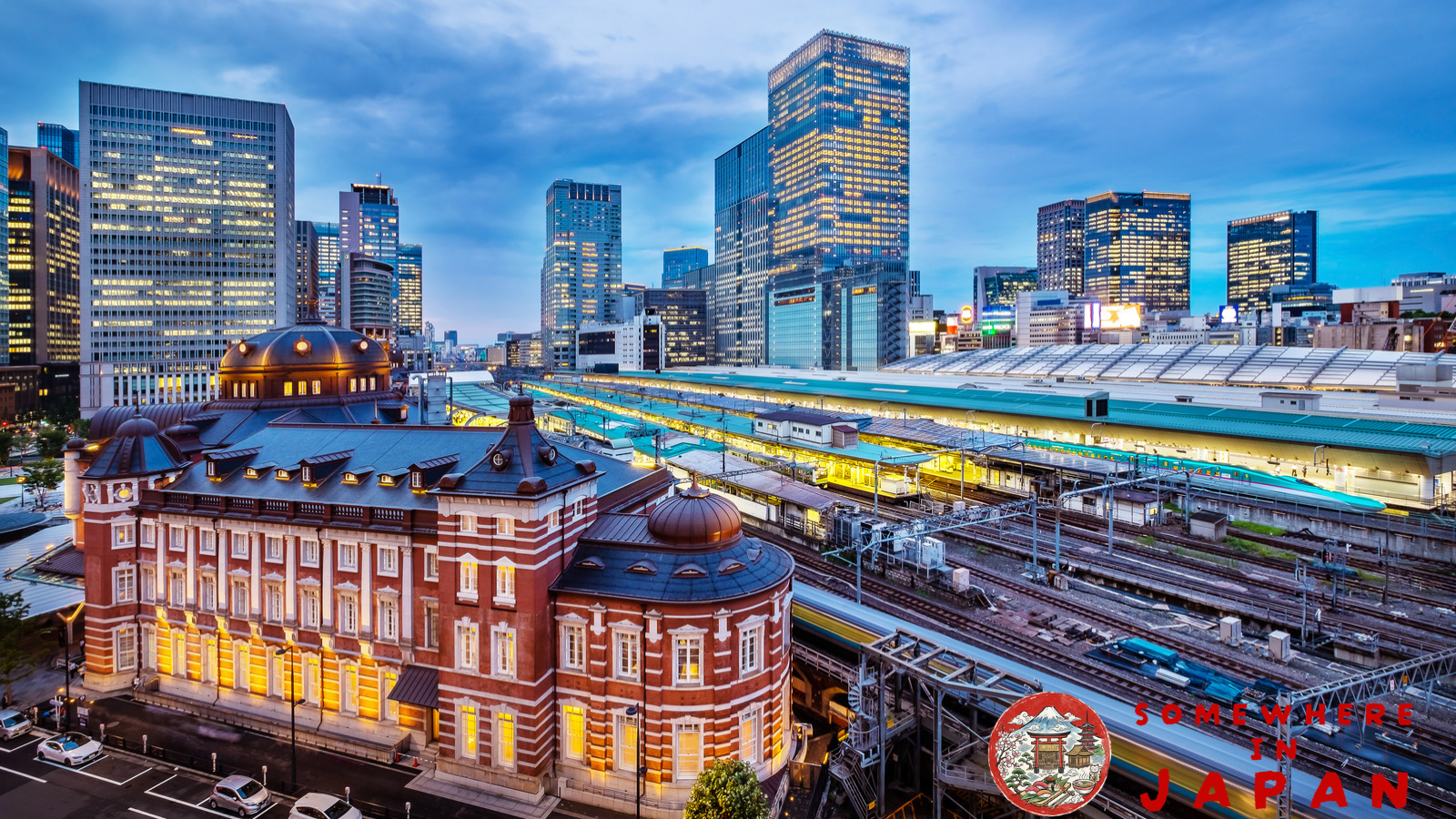
Visiting Tokyo, Kyoto, and Osaka on your first trip to Japan?
Each city has its own transportation system, and knowing which train or bus to take can save you both time and money.
In this guide, we’ll walk through practical sightseeing routes, explain which tickets to use, and share tips for traveling between Japan’s most popular destinations.
I’m Shuto!
Travel Japan Like a Local!
My mission?
To help you experience the very best of Japan
Getting Around Tokyo
Tokyo is a huge city, but its train and subway networks make it easy to visit many famous attractions in one day.
Example Route: One Day in Tokyo
Route
Asakusa → Ueno → Shibuya → Shinjuku
Stop 1: Asakusa and Senso-ji Temple
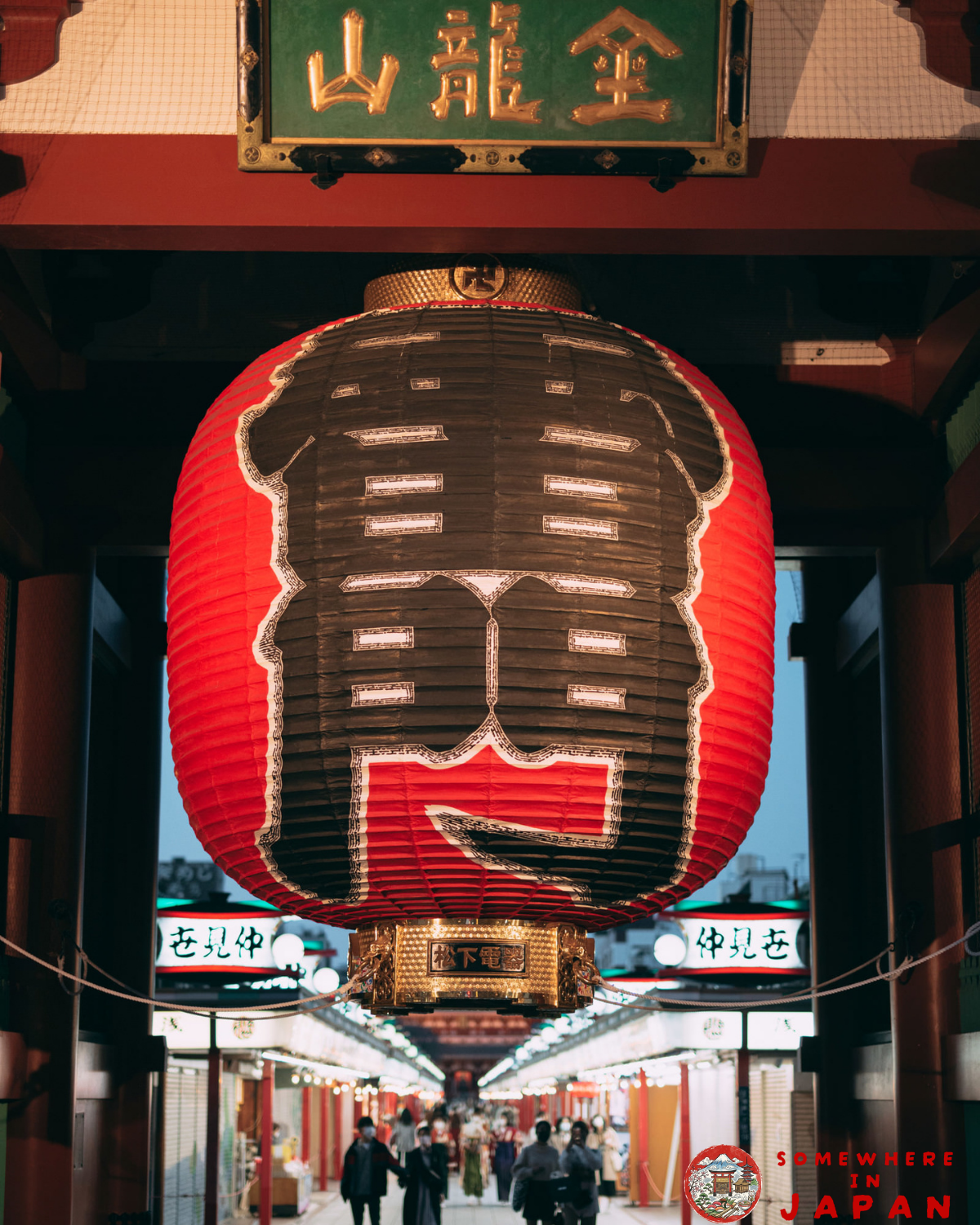
Start your day at Senso-ji, one of Tokyo’s best-known Buddhist temples.
・Nearest station: Asakusa Station
・Transport: Tokyo Metro Ginza Line or Toei Asakusa Line, depending on your starting point
・Suggested visit time: 1–2 hours
Explore Nakamise Shopping Street for traditional snacks and souvenirs.
Stop 2: Ueno Park
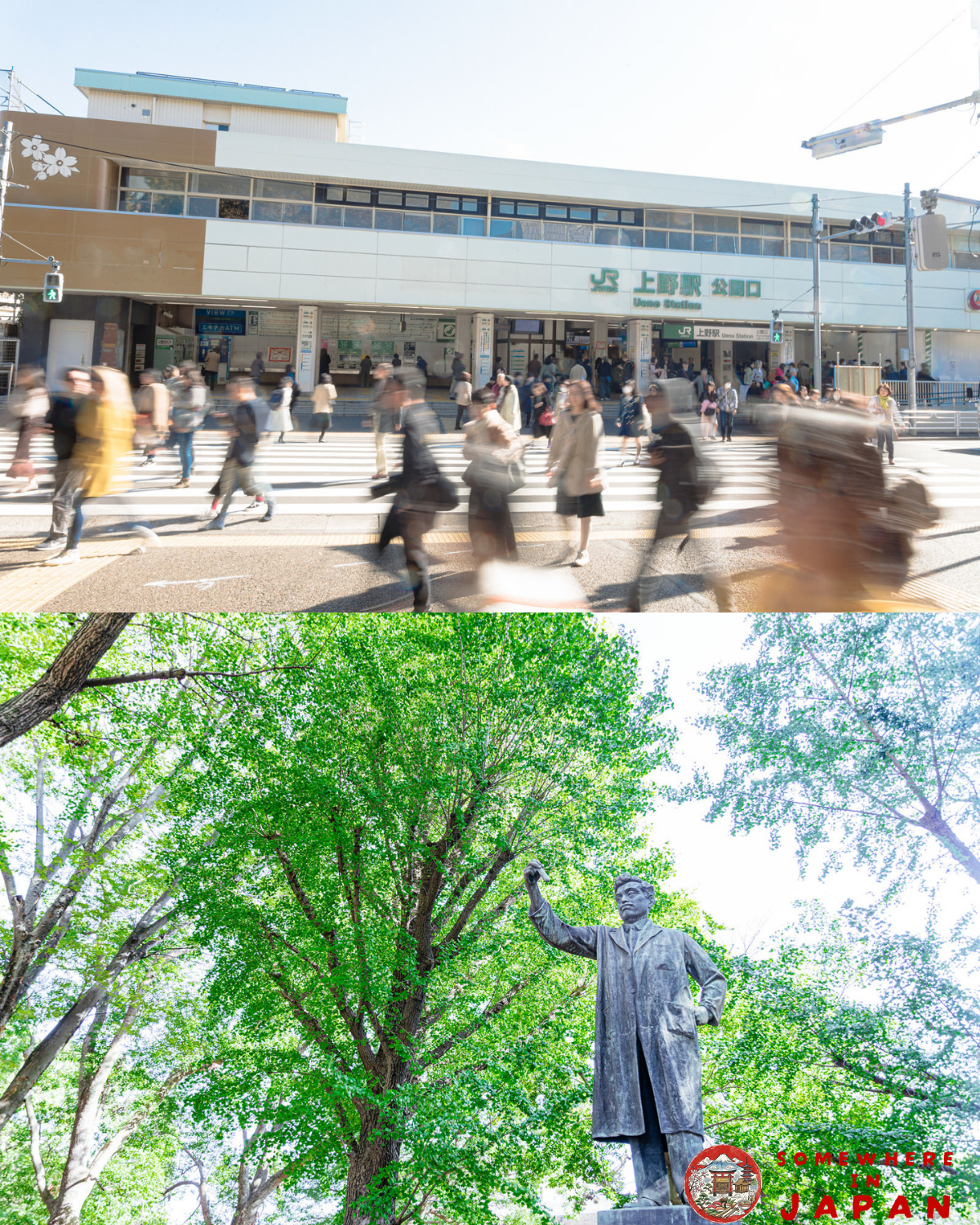
Take the Tokyo Metro Ginza Line from Asakusa to Ueno.
・Approximate train time: 5 minutes
・Suggested visit time: 1–2 hours
Ueno is known for its park, museums, and shopping streets.
Stop 3: Shibuya Crossing
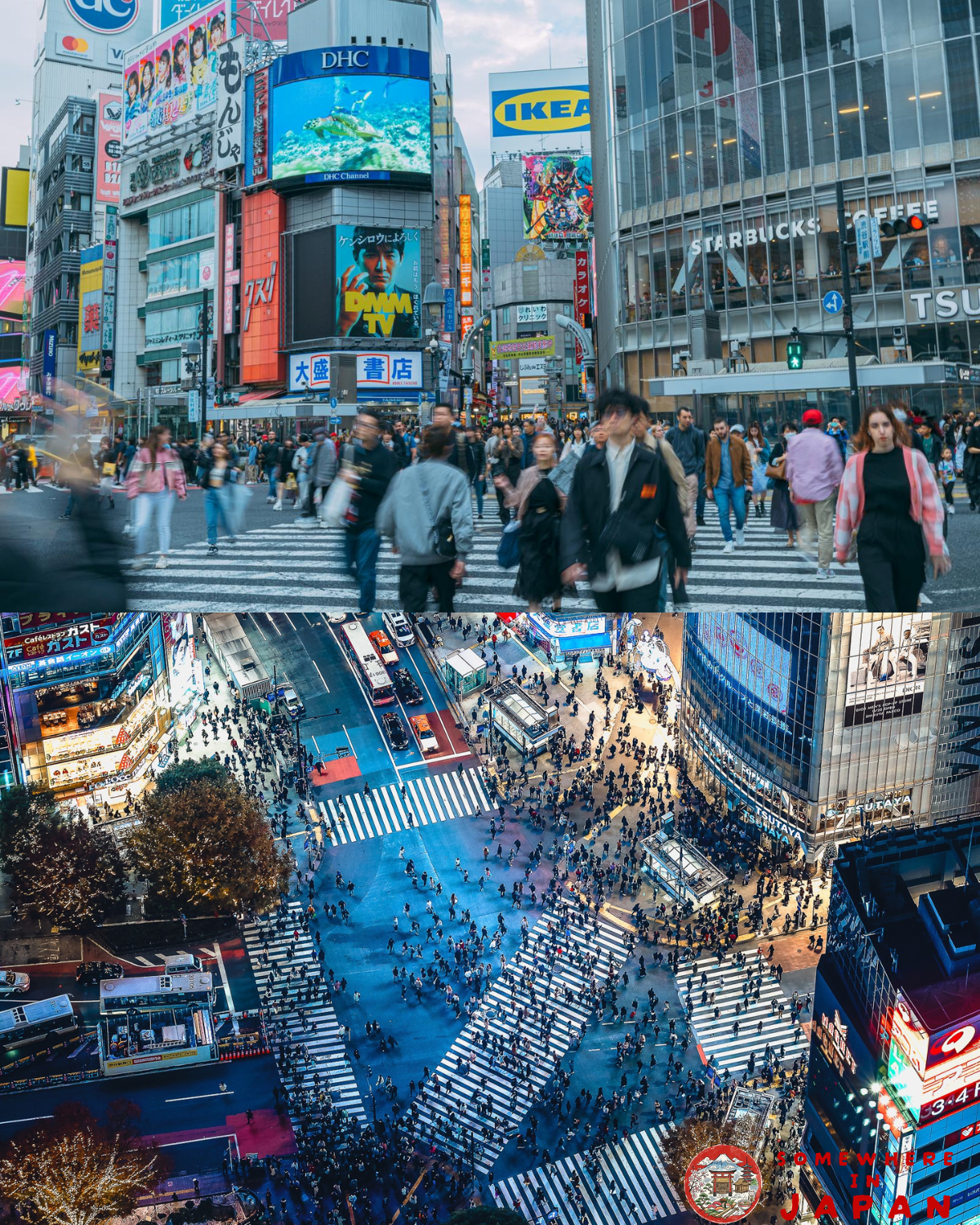
Take the Tokyo Metro Ginza Line from Ueno to Shibuya.
・Approximate train time: 25–30 minutes
・Suggested visit time: 1–2 hours
See the famous Shibuya Scramble Crossing and visit the surrounding shops and cafés.
Stop 4: Shinjuku
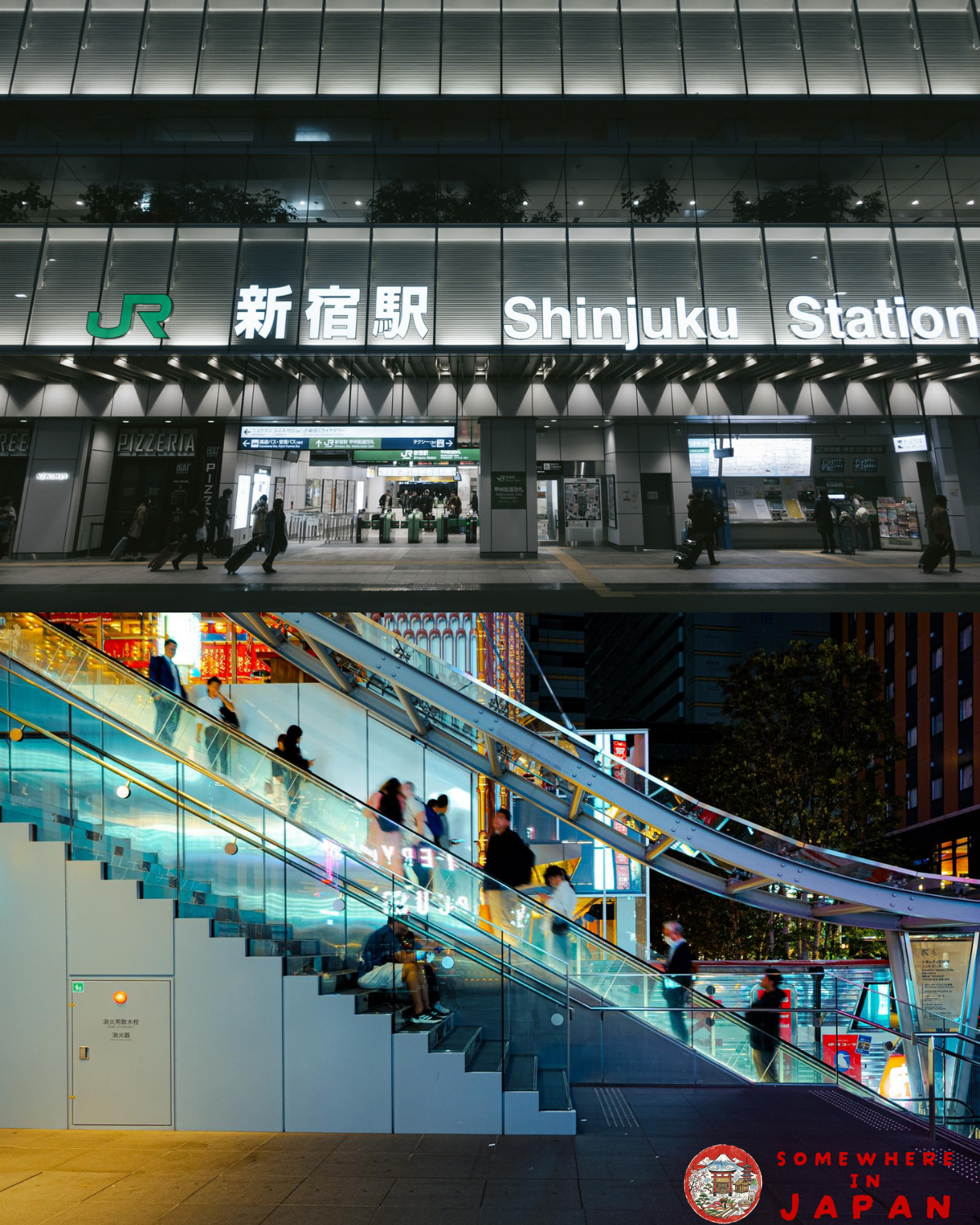
Take the JR Yamanote Line from Shibuya to Shinjuku.
・Approximate train time: 7–10 minutes
・Suggested visit time: 2 hours or more
Finish the day with dinner, shopping, or a view of the city from the Tokyo Metropolitan Government Building.
Which Ticket Should You Use in Tokyo?
If you plan to make several subway journeys, consider the Tokyo Subway Ticket.
- 24 hours: ¥1,000
- 48 hours: ¥1,500
- 72 hours: ¥2,000
The ticket covers Tokyo Metro and Toei Subway lines, but it does not cover JR trains such as the Yamanote Line.
For the example route above, you would need to pay separately for the JR journey from Shibuya to Shinjuku if you use a Tokyo Subway Ticket.
An IC card such as Suica or PASMO is another convenient option, especially if you want to combine JR trains, subways, and other participating services.
Getting Around Kyoto
Kyoto is famous for its temples, shrines, gardens, and traditional streets. Its subway and bus networks can take you to many attractions, although some destinations require a combination of transport and walking.
Example Route: One Day in Kyoto
Route
Fushimi Inari Shrine → Kiyomizu-dera → Gion → Arashiyama
Stop 1: Fushimi Inari Shrine
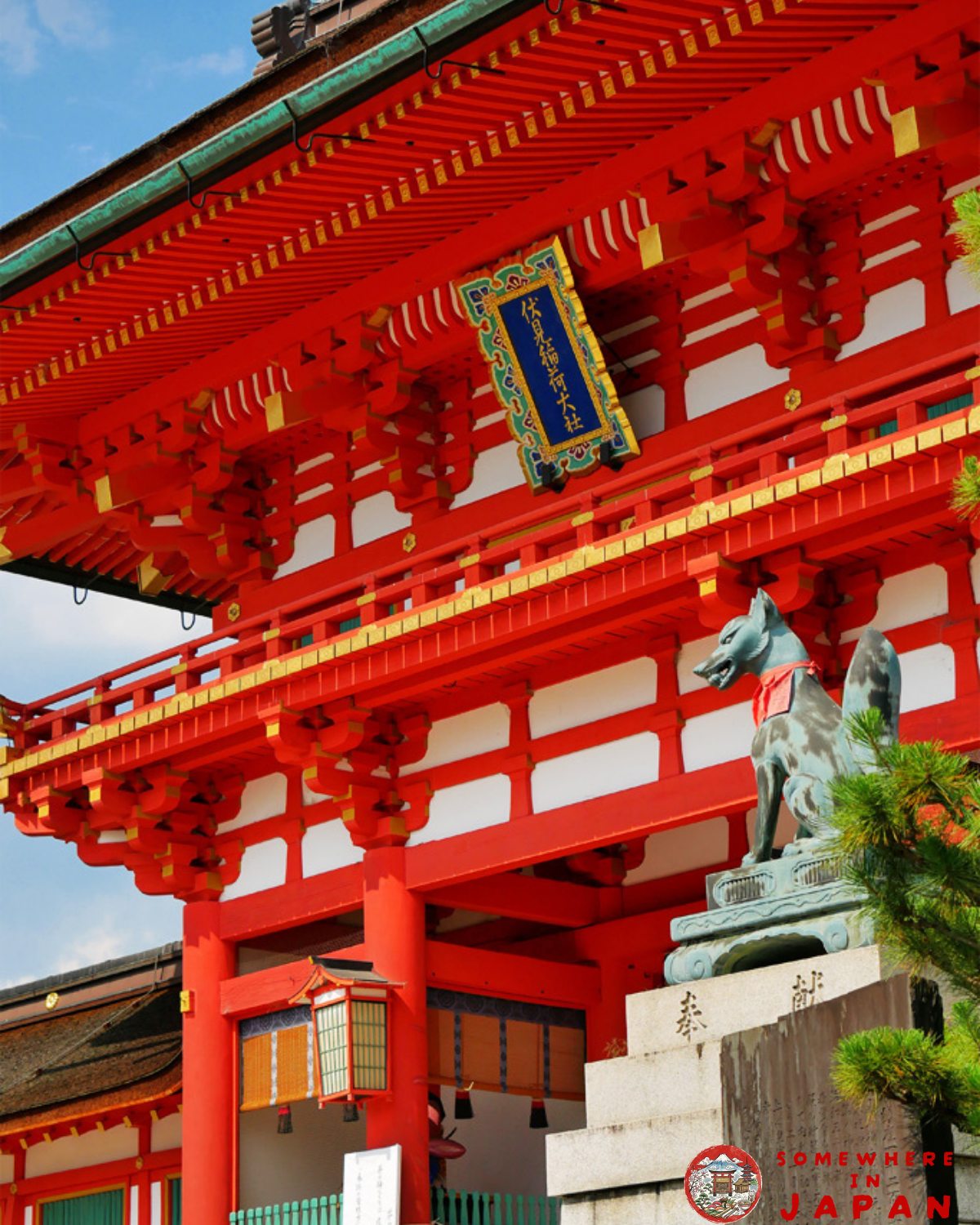
Visit the famous shrine known for its thousands of red torii gates.
・Nearest station: Inari Station on the JR Nara Line
・Alternative: Fushimi-Inari Station on the Keihan Line
・Suggested visit time: 1.5–2 hours
From Kyoto Station, JR trains are a convenient option. Note that a Kyoto subway and bus pass does not cover the JR Nara Line.
Stop 2: Kiyomizu-dera
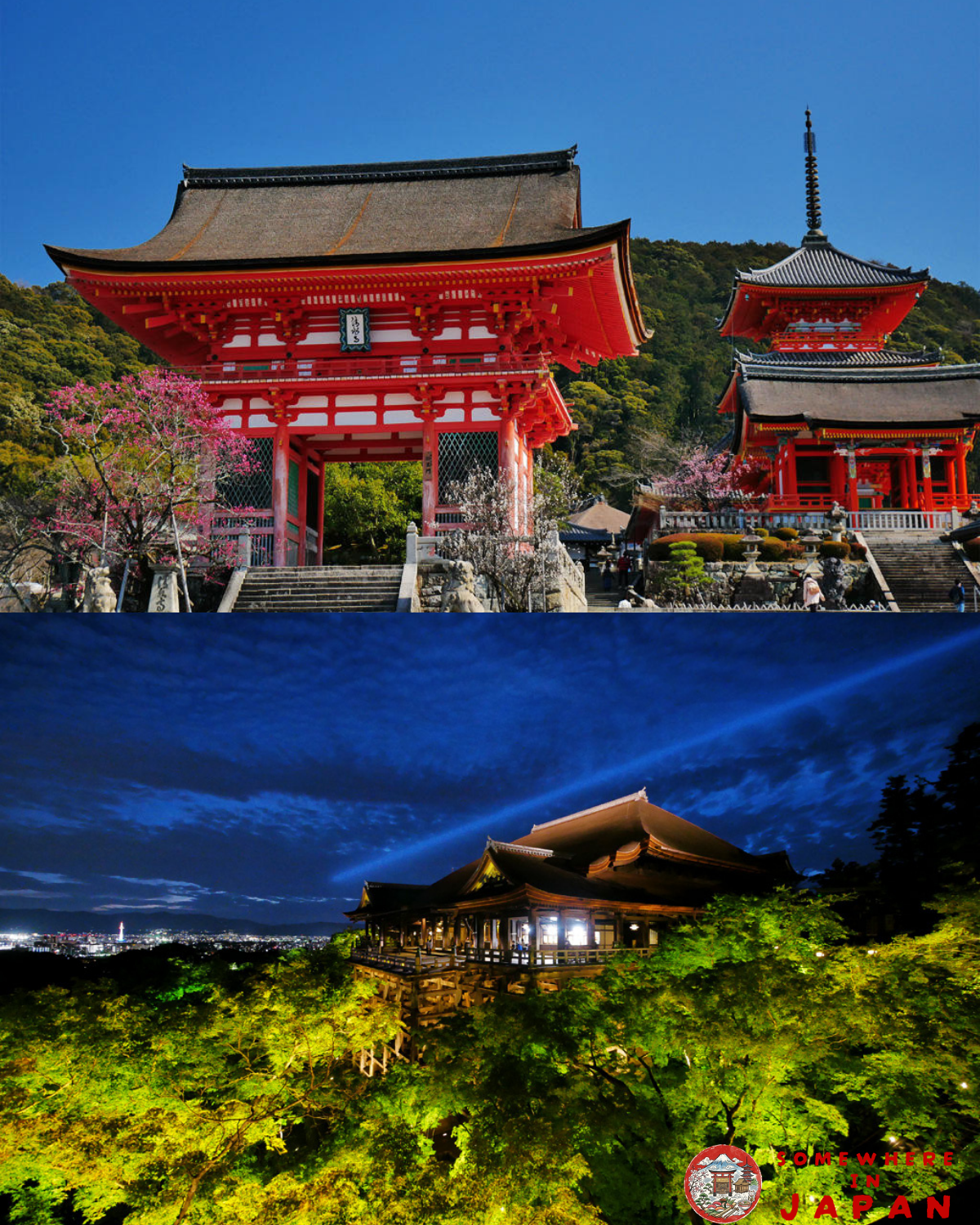
Travel toward the Higashiyama area and continue by bus or on foot, depending on your route.
・Suggested visit time: 1.5–2 hours
The temple is located on a hillside, so expect some walking.
Stop 3: Gion
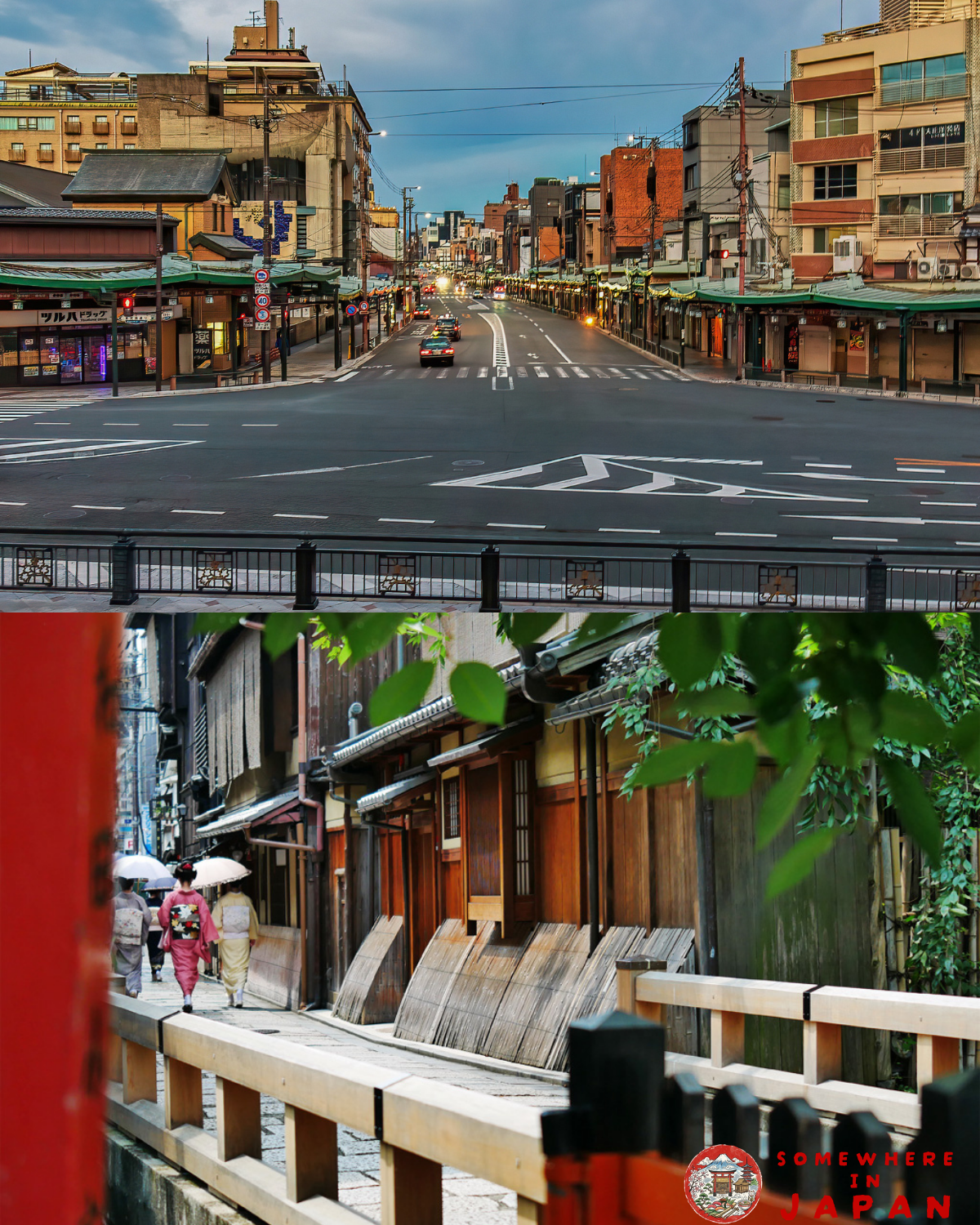
Explore Kyoto’s traditional streets, shops, and tea houses.
・Suggested visit time: 1–2 hours
Gion is close enough to several Higashiyama attractions to explore on foot.
Stop 4: Arashiyama
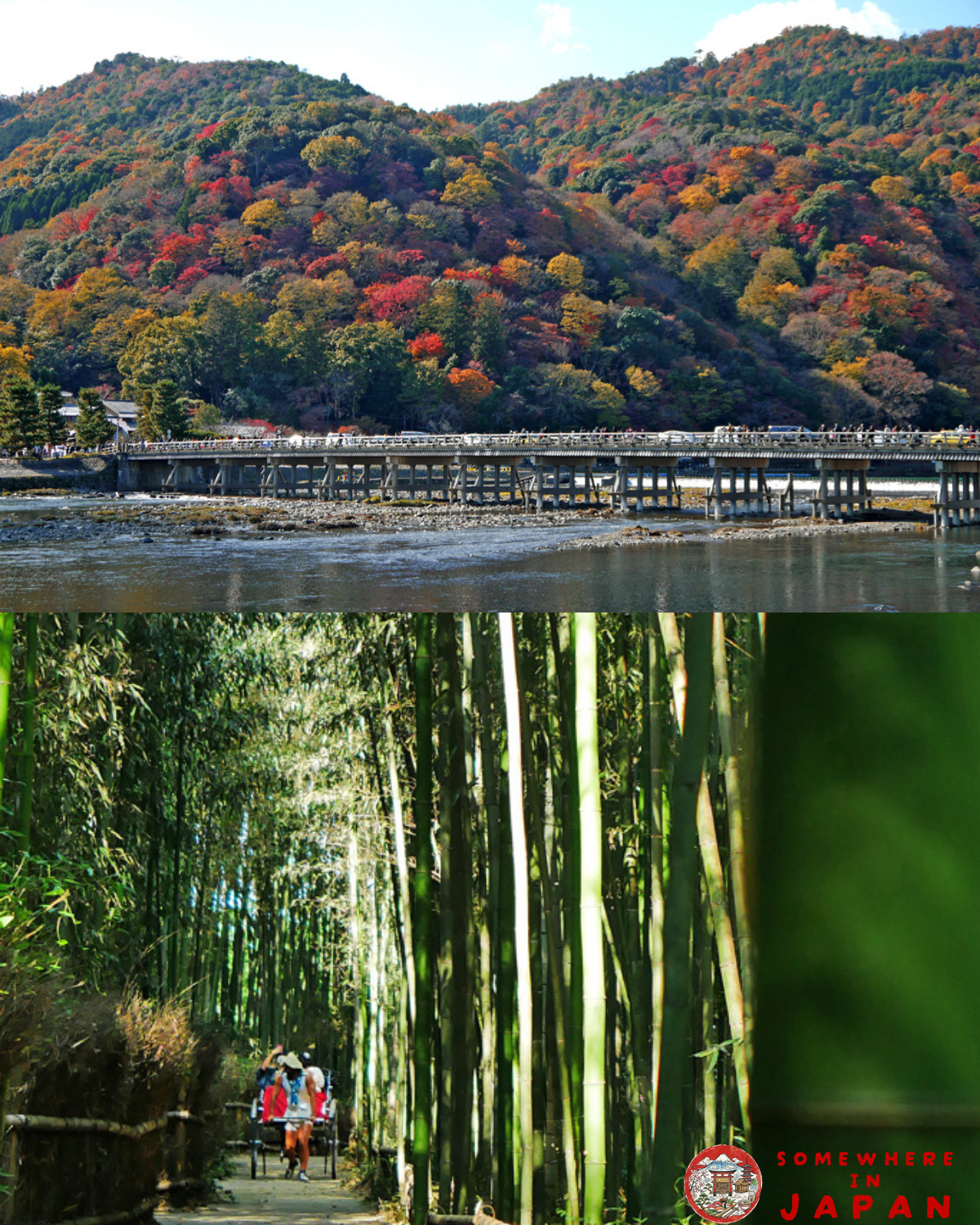
Travel to Arashiyama for the bamboo grove and riverside scenery.
・Transport options: JR, Hankyu, or Randen, depending on your departure point
・Suggested visit time: 2 hours or more
Because these attractions are spread across the city, check the route between each stop before setting off. You may find it more practical to visit Arashiyama on a separate day.
Which Ticket Should You Use in Kyoto?
The Subway & Bus 1-Day Pass costs ¥1,100 for adults and covers eligible subway and bus services for one day.
It is useful for a day with multiple journeys on covered routes.
However, it does not cover every railway line in Kyoto. JR trains, Hankyu trains, Keihan trains, and Randen may require separate tickets unless your particular pass explicitly includes them.
Check it out >>> Whole transportation tickets and passes for Kyoto
Getting Around Osaka
Osaka has an extensive subway network and is a convenient base for exploring the Kansai region.
Example Route: One Day in Osaka
Route
Osaka Castle → Umeda → Namba → Dotonbori
Stop 1: Osaka Castle
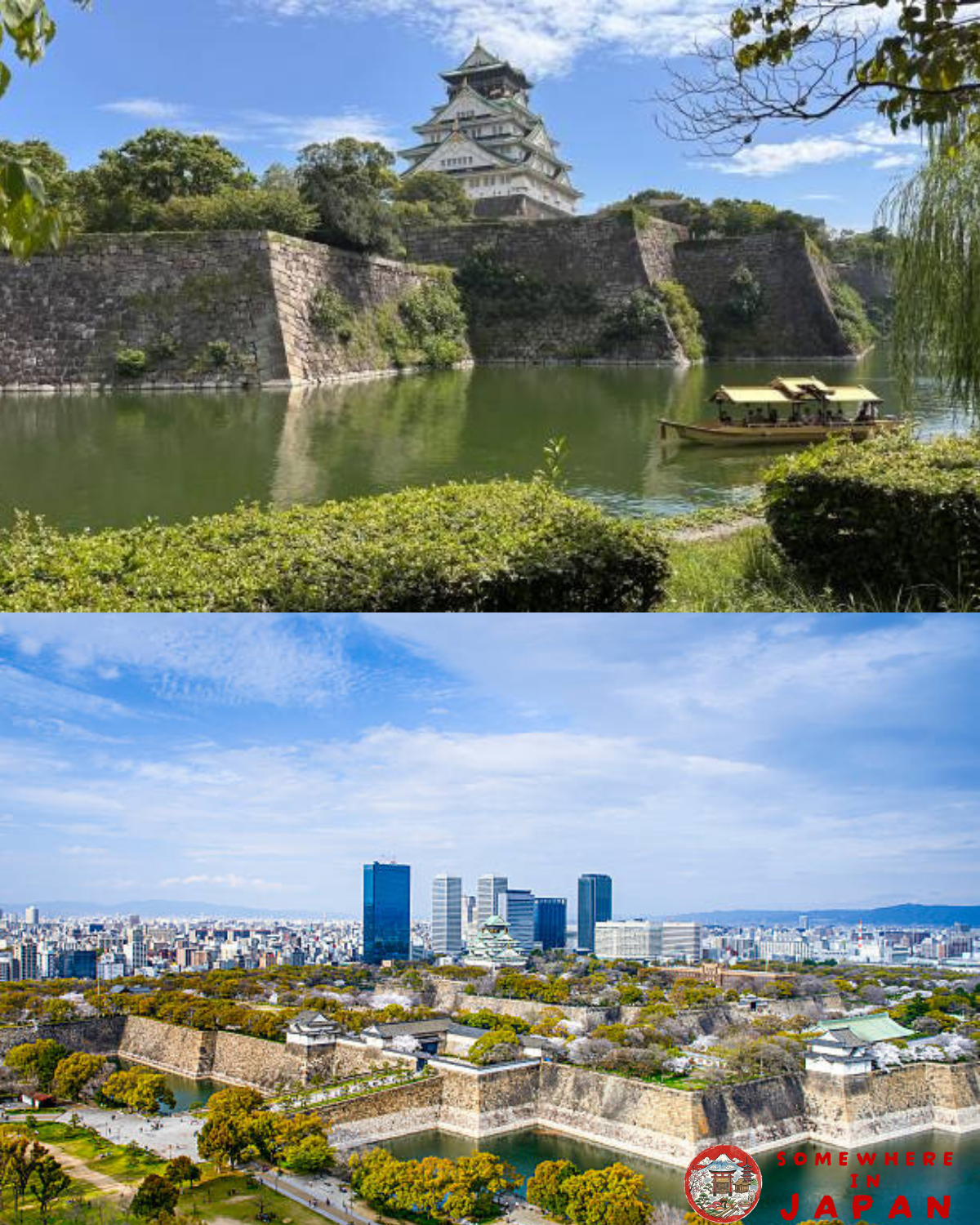
Visit the castle grounds and surrounding park.
・Nearby stations : Tanimachi 4-chome and Osakajokoen, depending on your route
・Suggested visit time: 1.5–2 hours
Stop 2: Umeda
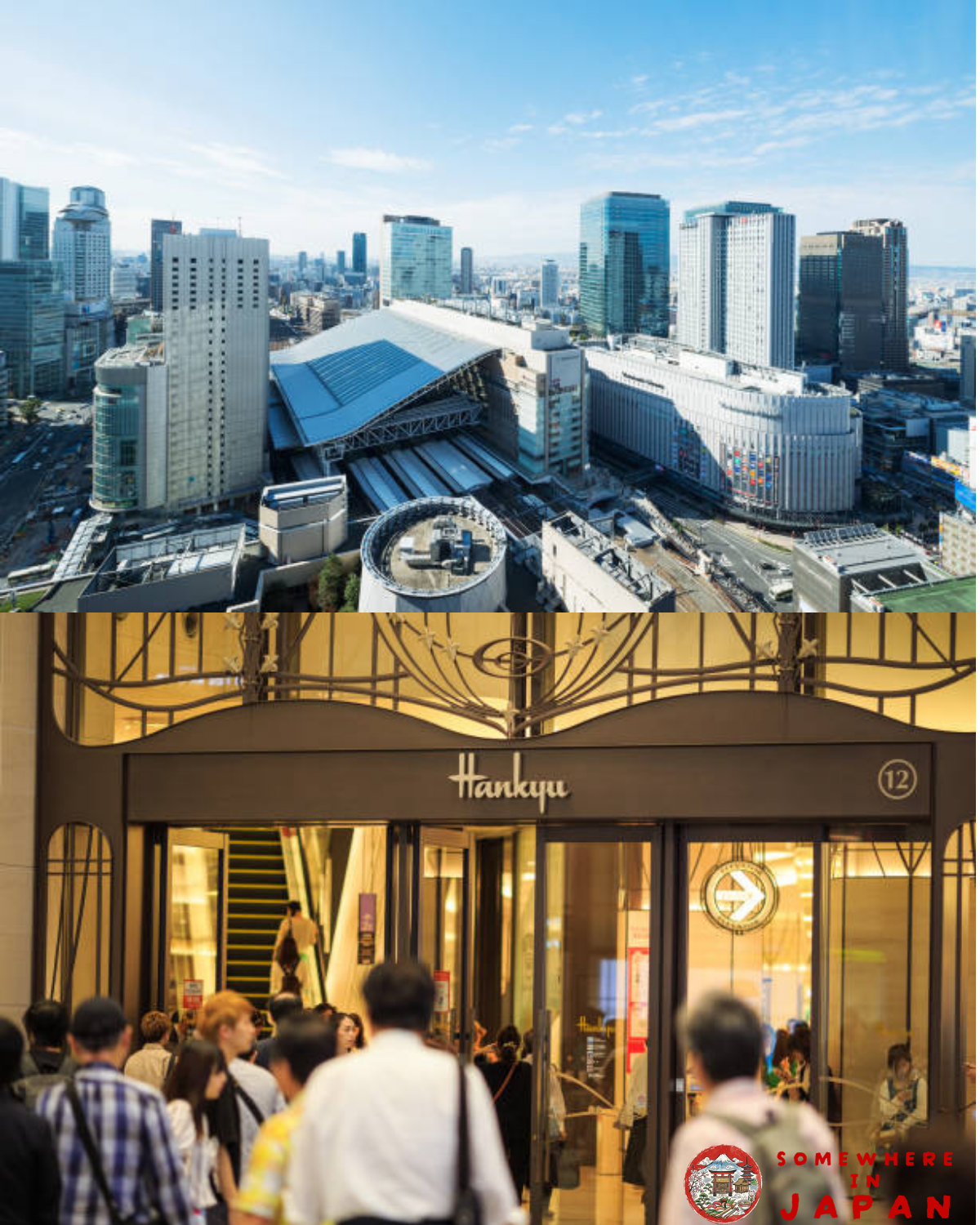
Travel to Umeda for shopping, restaurants, and city views.
・Transport: Osaka Metro or another suitable railway connection
・Suggested visit time: 1–2 hours
Stop 3: Namba
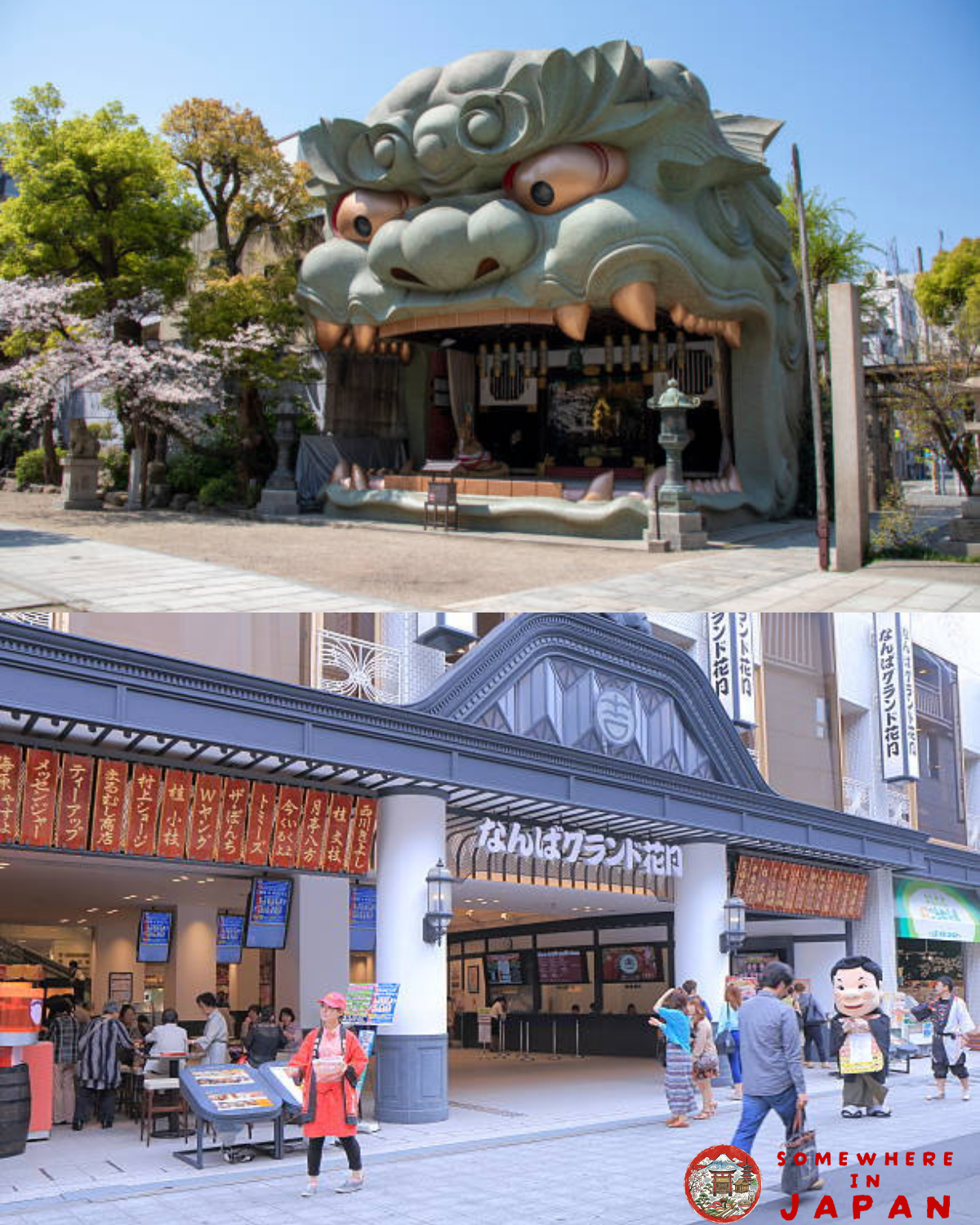
Head south to Namba, one of Osaka’s main shopping and entertainment districts.
・Suggested visit time: 1–2 hours
Stop 4: Dotonbori
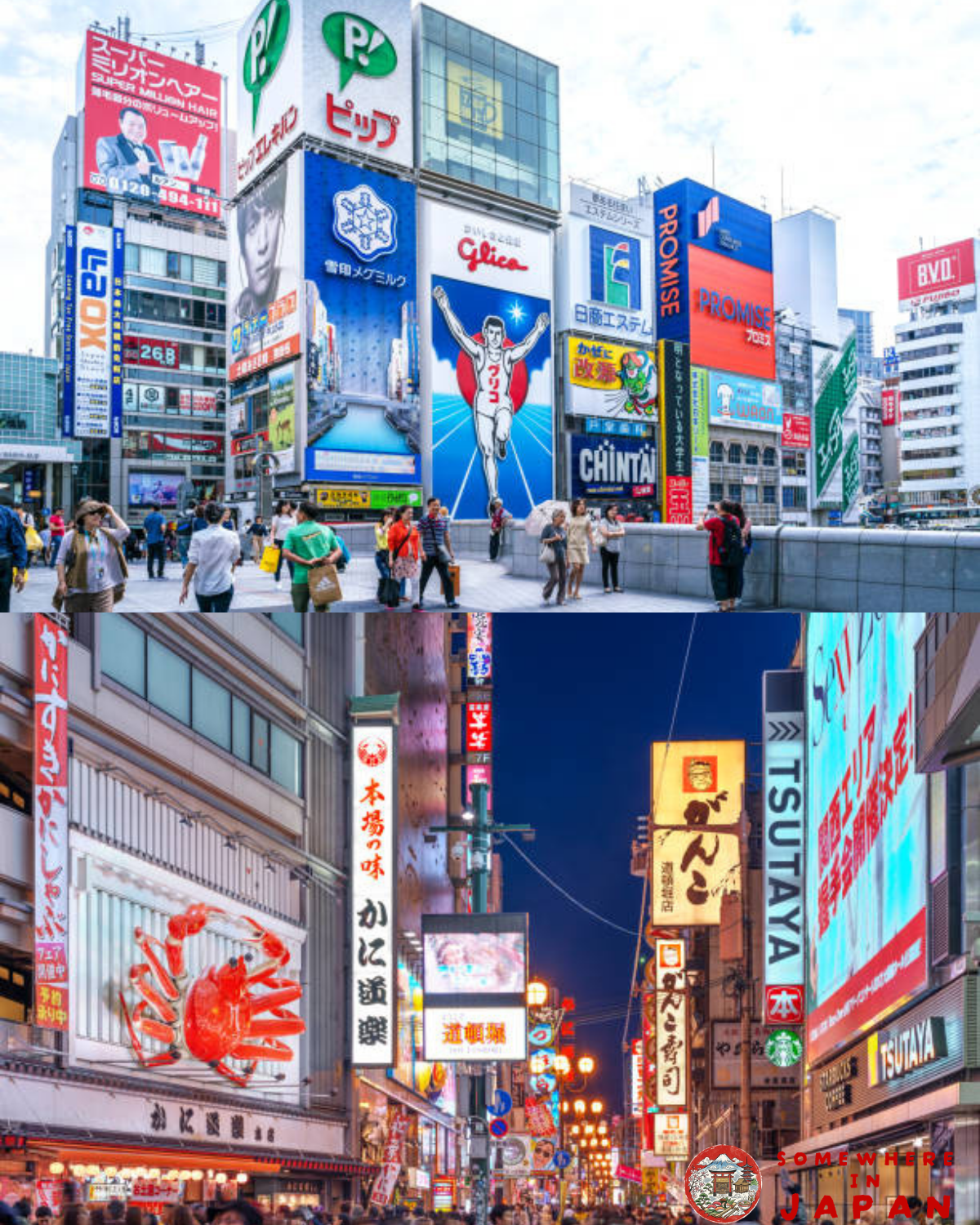
Walk from Namba to Dotonbori and enjoy Osaka’s famous food scene.
Try local favorites such as takoyaki and okonomiyaki.
・Suggested visit time: 2 hours or more
Which Ticket Should You Use in Osaka?
If you plan to take several subway journeys, compare individual fares with the Osaka Metro Enjoy Eco Card or other currently available day tickets.
If you want to visit several participating attractions as well as travel around the city, consider the OSAKA AMAZING PASS.
The pass includes eligible transportation and admission to participating sightseeing attractions. Coverage and prices depend on the version and validity period, so check the official website before buying.
Check it out >>>OSAKA AMAZING PASS
Traveling Between Tokyo, Kyoto, and Osaka
The Shinkansen is a popular way to travel between these three cities.
| Journey | Travel time | Cost |
|---|---|---|
| Tokyo → Kyoto | About 2 hours 10 minutes to 2 hours 40 minutes | About $85~$121 |
| Tokyo → Shin-Osaka | About 2 hours 20 minutes to 3 hours | About $88~$125 |
| Kyoto → Shin-Osaka | About 15–30 minutes on the Shinkansen | About $9~$20 |
Travel times depend on the service, stops, and timetable. A conventional JR train or private railway may be more economical for some journeys, particularly between Kyoto and Osaka.
For Shinkansen trips, check the train name, departure station, and destination carefully. Kyoto Station and Shin-Osaka Station are different stations, and Shin-Osaka is the principal Shinkansen station serving Osaka.
You can compare tickets and reservations here >>> SmartEX website
5 Essential Tips for Stress-Free Travel in Japan
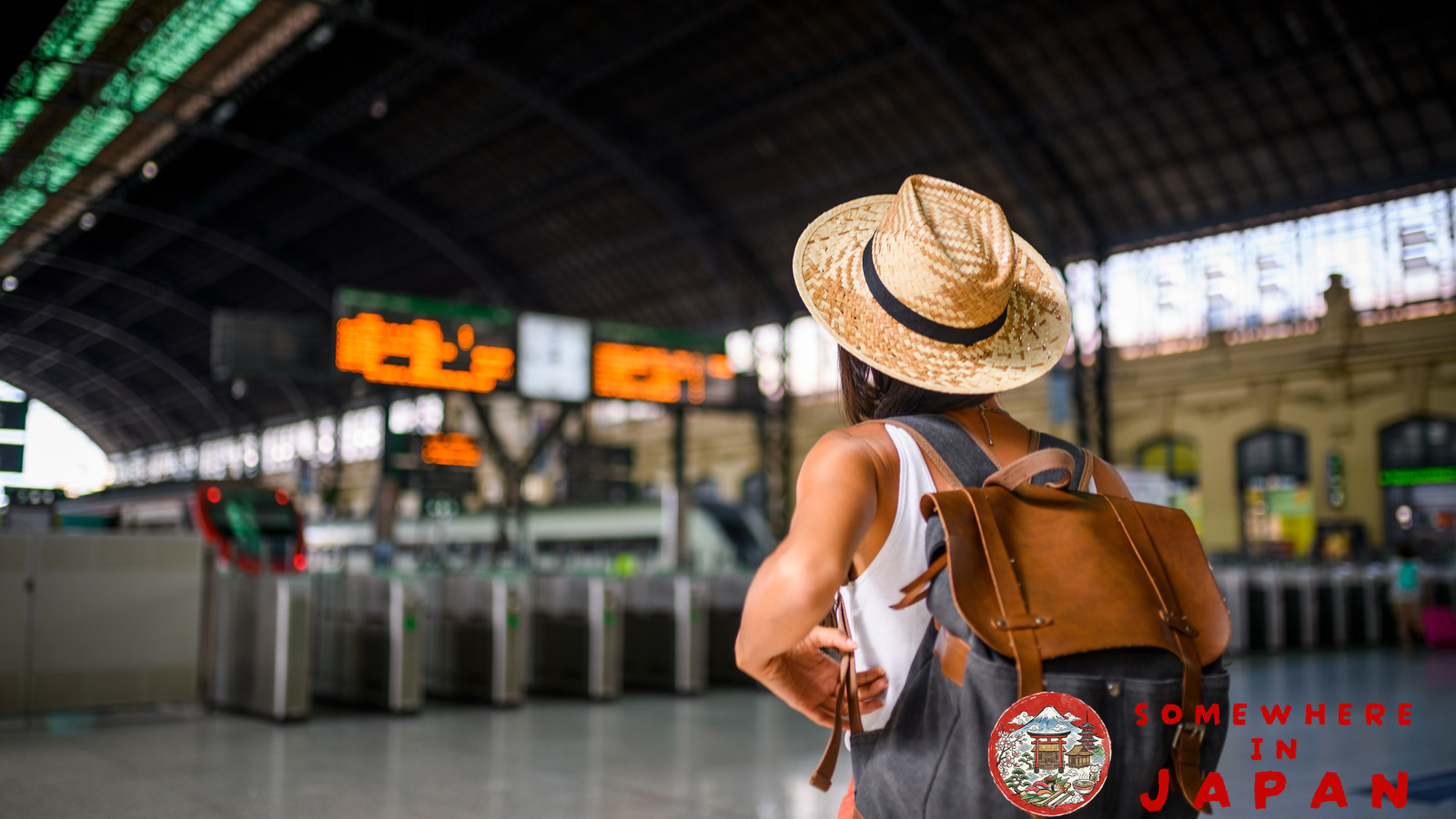
1. Master Route Planning with Smart Navigation Apps
While Google Maps is excellent for general navigation and walking directions, specialized apps like Japan Travel by NAVITIME or Jorudan offer invaluable details for train travel—including platform numbers, train car recommendations for quick transfers, and clear line-closure alerts.
Downloading offline maps via Maps.me or Google Maps can also keep you on track if you temporarily lose cellular signal.
2. Streamline Payments with an IC Card or Digital Wallet
Skip the hassle of buying individual paper tickets at ticket vending machines for every short trip. Grab a physical IC card (such as Suica or Pasmo in Tokyo, or ICOCA in Kansai) or simply add a digital Suica / Pasmo directly to your Apple Wallet or Google Wallet.
This allows you to tap in and out at train gates, pay on local buses, and even buy drinks at vending machines and convenience stores with a quick scan of your phone.
3. Verify Rail Pass Coverage Before You Board
Special regional passes—such as the JR West Kansai Area Pass, Tokyo Wide Pass, or regional subway tourist passes—can save you money, but coverage varies significantly. Before setting out, double-check whether your pass covers private non-JR train networks (like Hankyu, Keihan, or Tokyo Metro) or express surcharges.
Using the pass filter feature on the Japan Travel by NAVITIME app is a hassle-free way to confirm exact route inclusion.
4. Build in Extra Time for Navigating Major Transit Hubs
Complex transit hubs like Shinjuku, Tokyo, or Osaka Stations can feel like underground cities. Allow an extra 10 to 15 minutes simply to walk between platforms, locate the correct exit, or store luggage.
Looking up internal station maps on operator websites or apps beforehand can help you spot key landmarks, elevators, and exit numbers to avoid getting turned around during peak travel hours.
5. Group Attractions by Neighborhood to Avoid Backtracking
Minimize travel exhaustion and save transit fare by clustering sights within the same district or along the same train line on the same day. Tools like Google My Maps allow you to create custom pin drop maps to visualize daily itineraries geographically.
Planning morning and afternoon spots within walking distance or a direct train ride of one another keeps your trip smooth and time-efficient.
Final Thoughts
Tokyo, Kyoto, and Osaka are all easy to explore by public transportation once you understand the basics.
Use the subway and JR network to explore Tokyo, combine buses and trains in Kyoto, and rely on Osaka Metro for many city-center journeys.
Most importantly, choose tickets based on your itinerary rather than assuming that one pass covers everything.
With a little planning, you can explore Japan confidently and spend more time enjoying the journey.

Comments