
When dining out in Japan, it is easy to recognize staples like sushi, ramen, and tempura. However, scanning a menu—or peering at the small garnishes tucked neatly beside your plate—often reveals mysterious ingredients with names you might not know.
Understanding these uniquely Japanese flavors and textures will not only take the guesswork out of ordering, but also elevate your appreciation of Japanese cuisine. Here is your cheat sheet to the distinct tastes and textures of Japan’s most iconic condiments, vegetables, and specialty ingredients.

I’m Shuto!
Travel Japan Like a Local!
My mission?
To help you experience the very best of Japan
The “Heat” Makers: Spices & Condiments
Unlike Western hot sauces or chili peppers that create a lingering, burning sensation on the tongue, Japanese spices tend to deliver sharp, aromatic bursts of heat that vanish quickly.
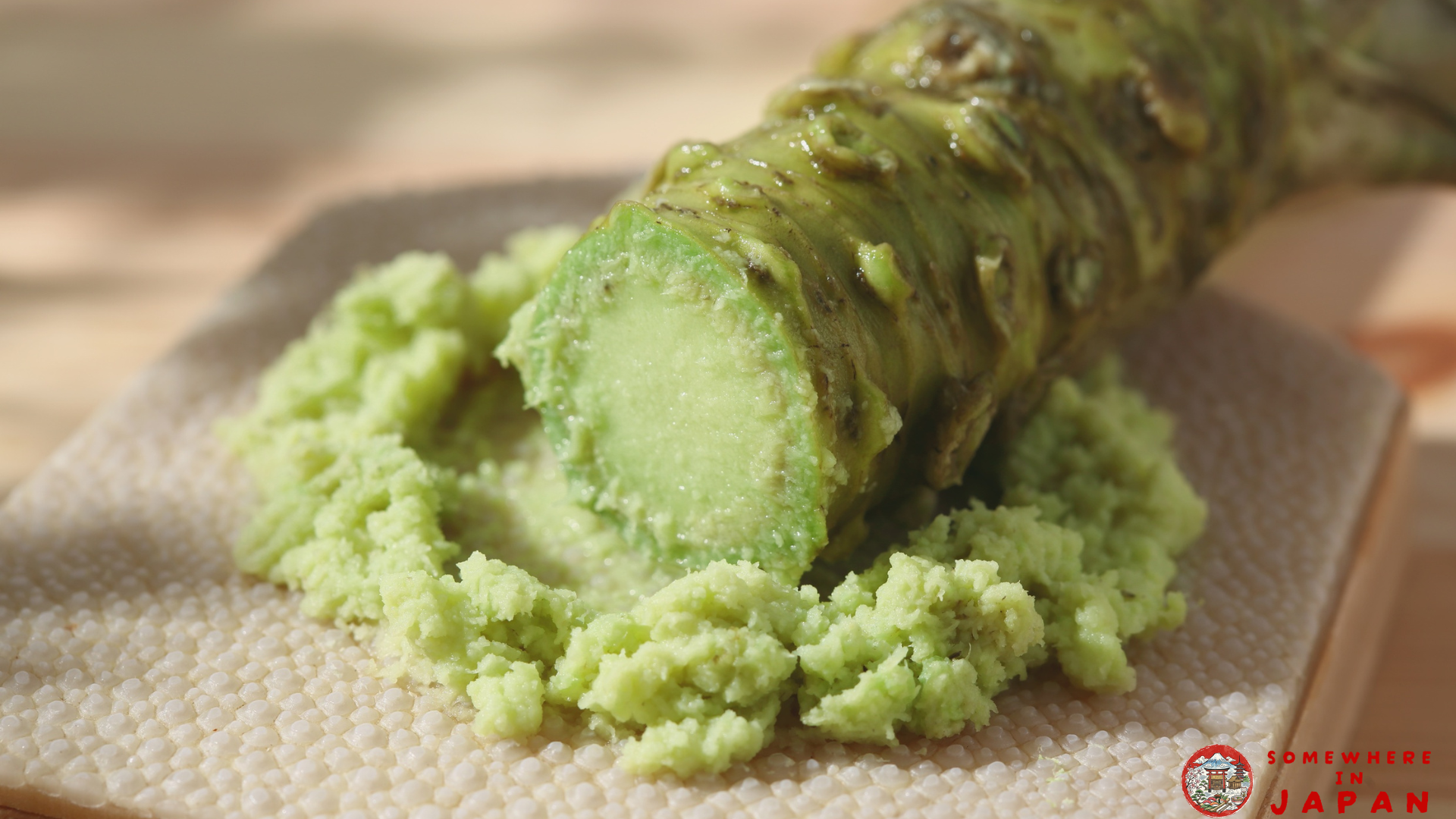
- Wasabi (わさび) – Japanese Horseradish: Forget the neon-green paste often served abroad; real grated wasabi is pale green, slightly grainy, and surprisingly fresh. Taste & Texture: A sharp, pungent heat that rushes straight up into your nasal passages rather than burning your tongue, followed by a subtle, earthy sweetness. The sensation clears within seconds.
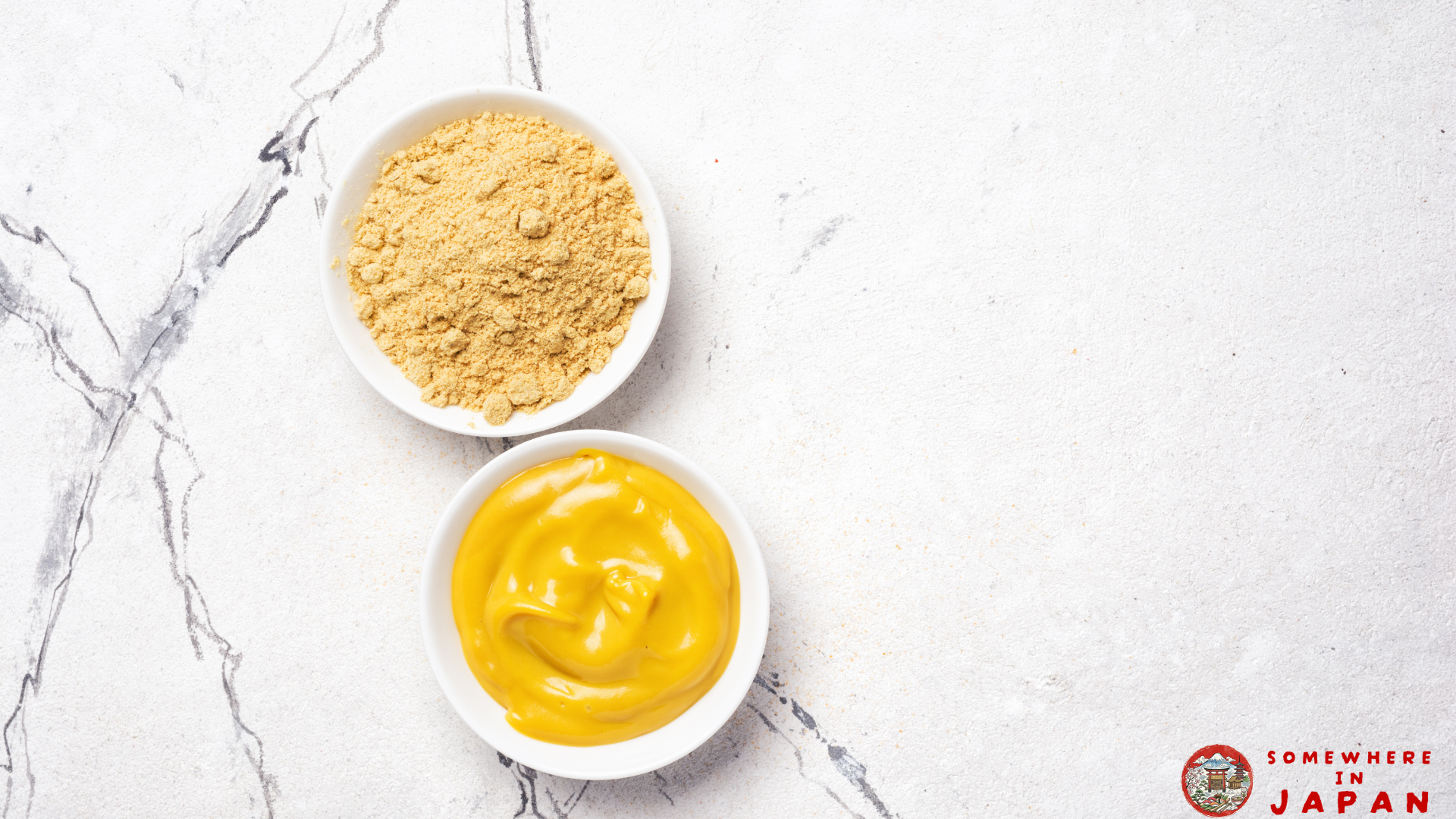
- Karashi (からし) – Japanese Mustard: Commonly found on the rim of a bowl of oden (winter hot pot) or served alongside tonkatsu (breaded pork cutlet) and shumai (steamed dumplings). Taste & Texture: A smooth, bright yellow paste made from crushed mustard seeds. Like wasabi, it delivers a strong, nose-tingling punch without the vinegary tang of Western yellow mustard.
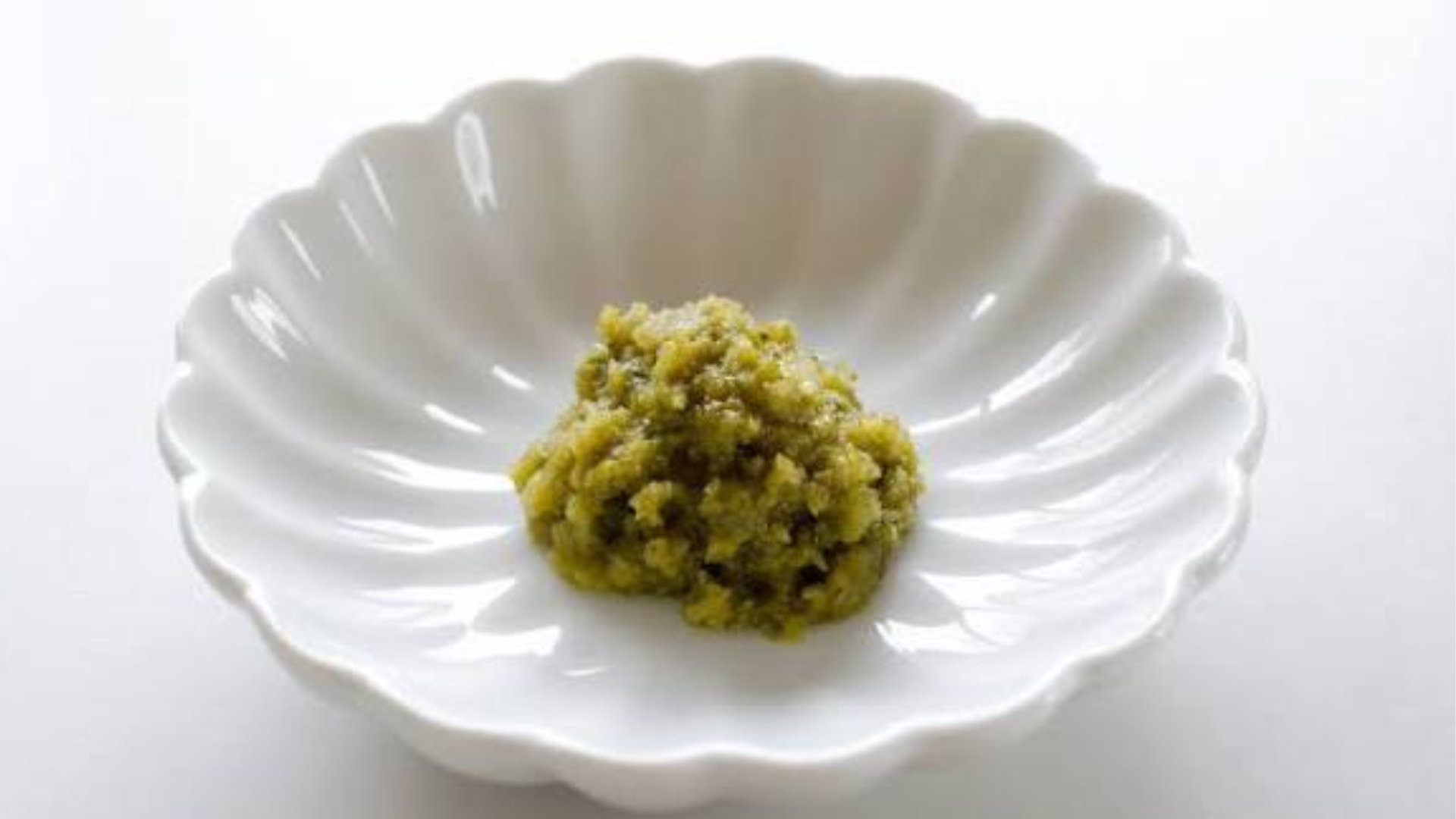
- Yuzu Kosho (ゆず胡椒): Despite kosho meaning “pepper,” this fermented paste is made from chili peppers, yuzu citrus peel, and salt. Taste & Texture: A coarse, vibrant paste that packs a triple punch—salty, intensely citrusy, and sharply spicy. A tiny dab transforms grilled chicken (yakitori) or hot noodle broths.
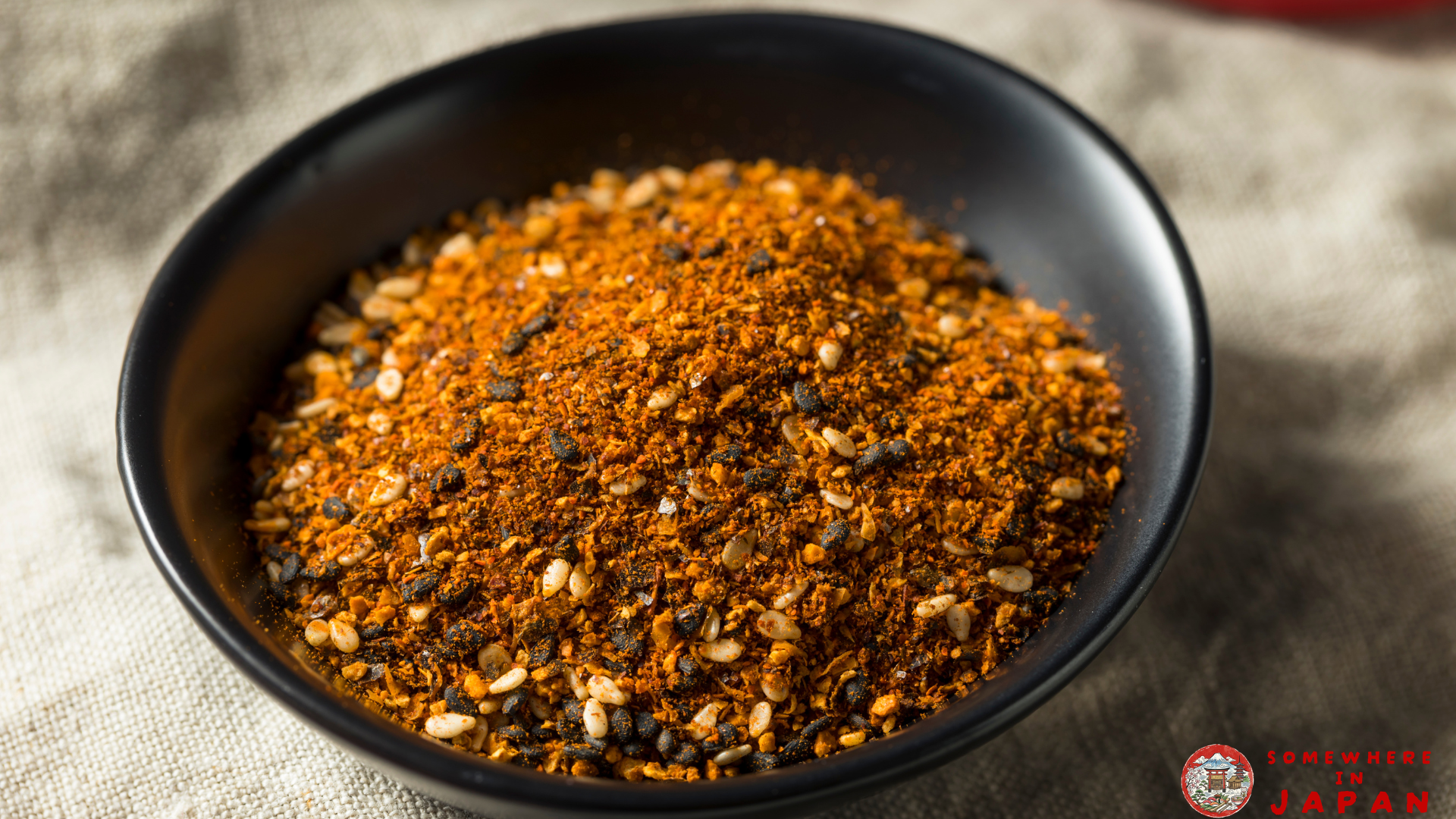
- Shichimi Togarashi (七味唐辛子) – Seven-Flavor Chili Pepper: You will spot this in small wooden shakers on almost every ramen, udon, and soba restaurant table. Taste & Texture: A dry, flaky blend of red chili pepper, roasted orange peel, sesame seeds, Japanese pepper (sansho), hemp seed, ginger, and nori. It adds a warm, nutty, and aromatic heat rather than overwhelming spiciness.
The “Nebaneba” (Slimy & Sticky) Crew
In Western cuisine, “slimy” is rarely a compliment. In Japan, however, nebaneba (ねばねば)—a viscous, sticky, or slippery texture—is prized for being refreshing, healthy, and comforting, especially when slurped over hot rice or cold noodles.
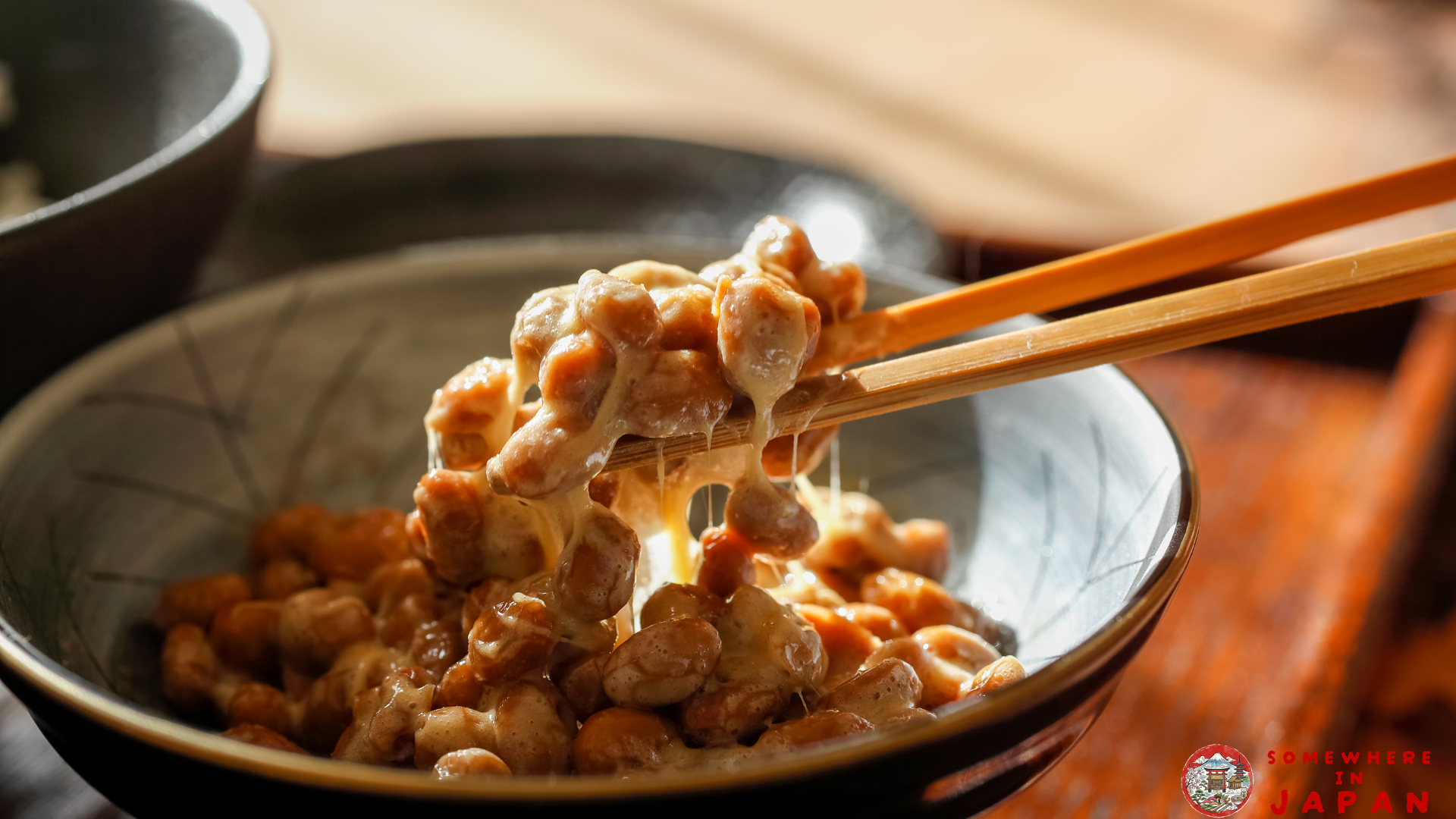
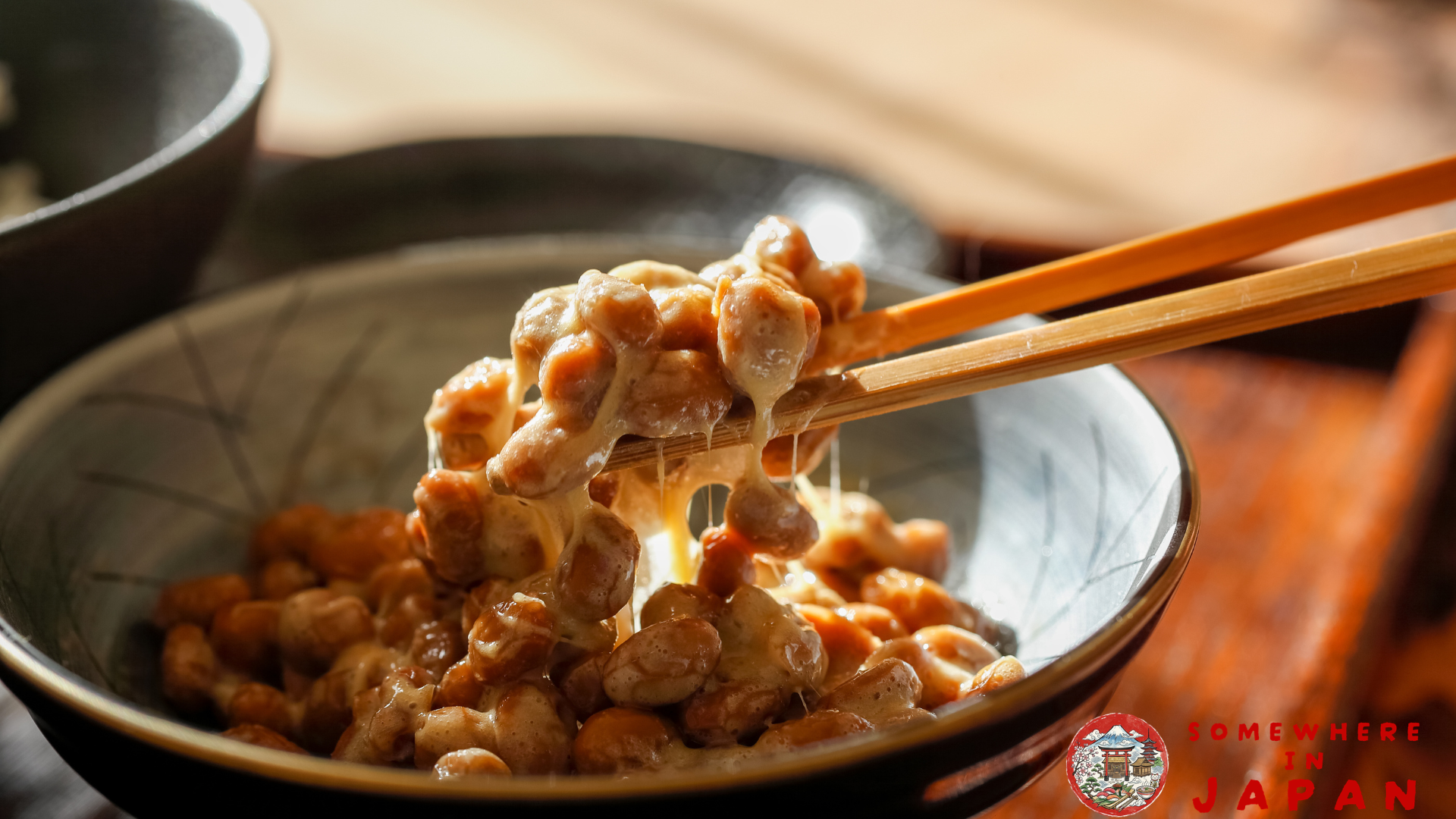
- Natto (納豆) – Fermented Soybeans: A traditional Japanese breakfast staple that divides even locals. Taste & Texture: Sticky, stringy, and slippery. It has a pungent, earthy aroma similar to aged blue cheese, with a rich, savory, and slightly nutty flavor.
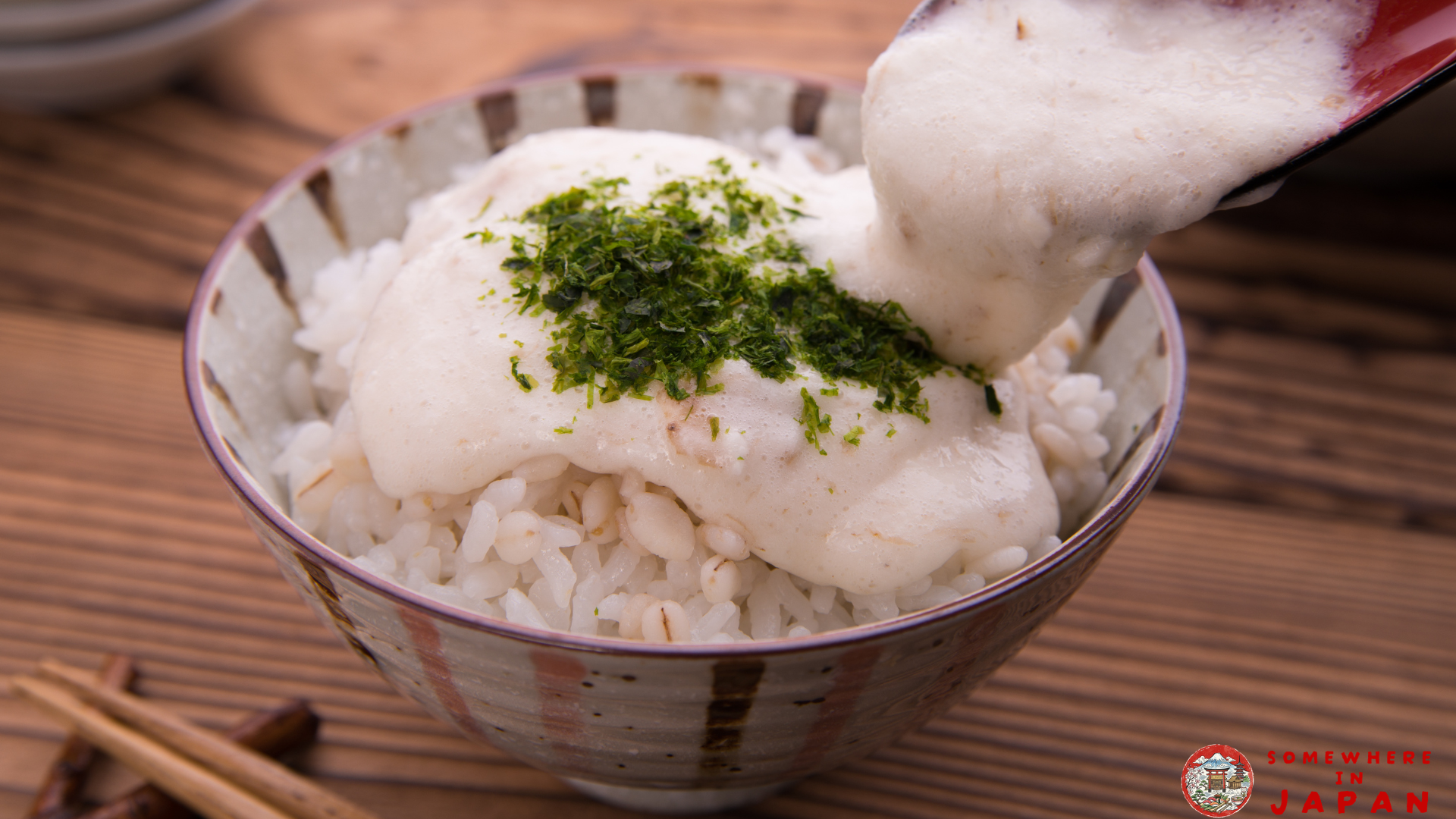
- Yamaimo / Nagaimo (山芋・長芋) – Mountain Yam: Often grated raw into a white, frothy paste called tororo and poured over rice, soba noodles, or tuna sashimi. Taste & Texture: Mild, earthy, and slightly sweet. When grated, it becomes thick, foamy, and slippery; when sliced raw, it is surprisingly crisp and crunchy like a water chestnut.
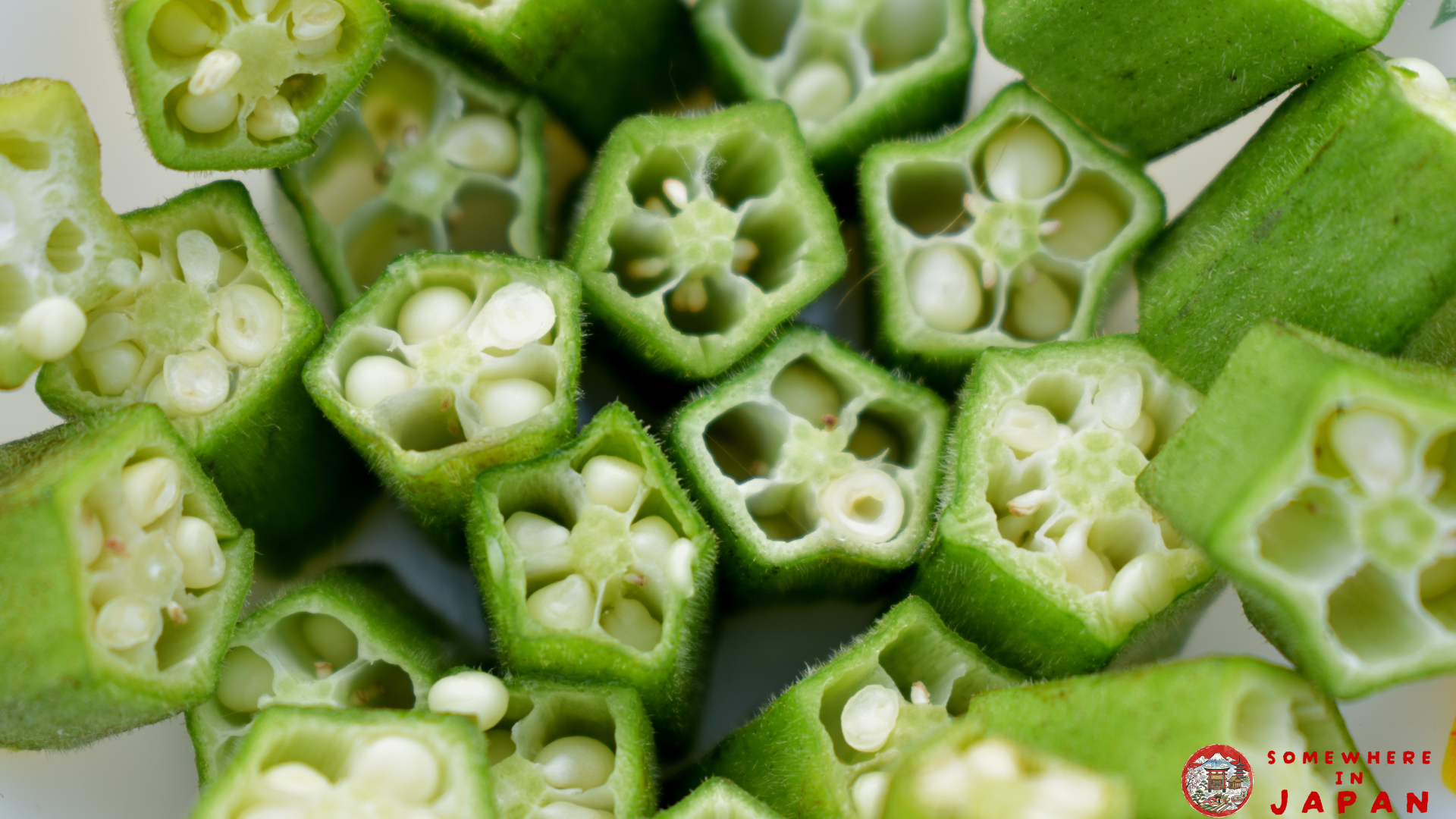
- Okra (オクラ) & Mekabu (めかぶ): Okra is frequently blanched and sliced into star-shaped rings, while mekabu is the thick, ruffled flowering root of wakame seaweed. Taste & Texture: Both release a smooth, cooling mucilage when chopped. Okra tastes fresh and grassy with a slight crunch from its seeds, while mekabu is brisk, oceanic, and briny.
Fragrant Herbs & Vegetables
Japanese cuisine relies heavily on seasonal aromatics to balance rich, savory broths and fried dishes.
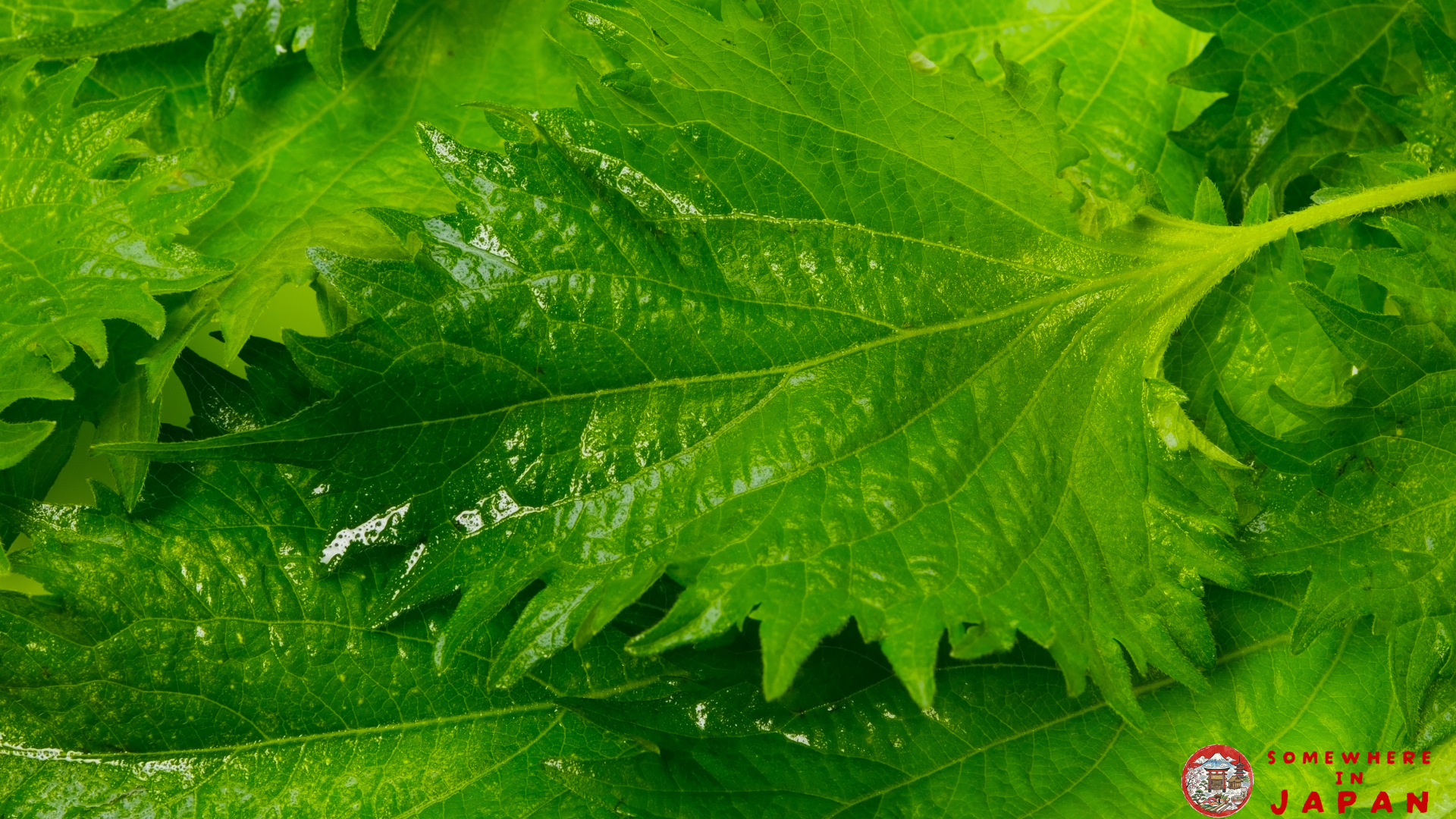
- Shiso / Ooba (大葉) – Perilla Leaf: You will almost always find a bright green, serrated leaf resting underneath your sashimi. It isn’t just decoration—eat it! Taste & Texture: Crisp and slightly fuzzy to the touch. Its flavor is a complex, refreshing cross between sweet basil, spearmint, and anise, cutting right through the richness of fatty fish.
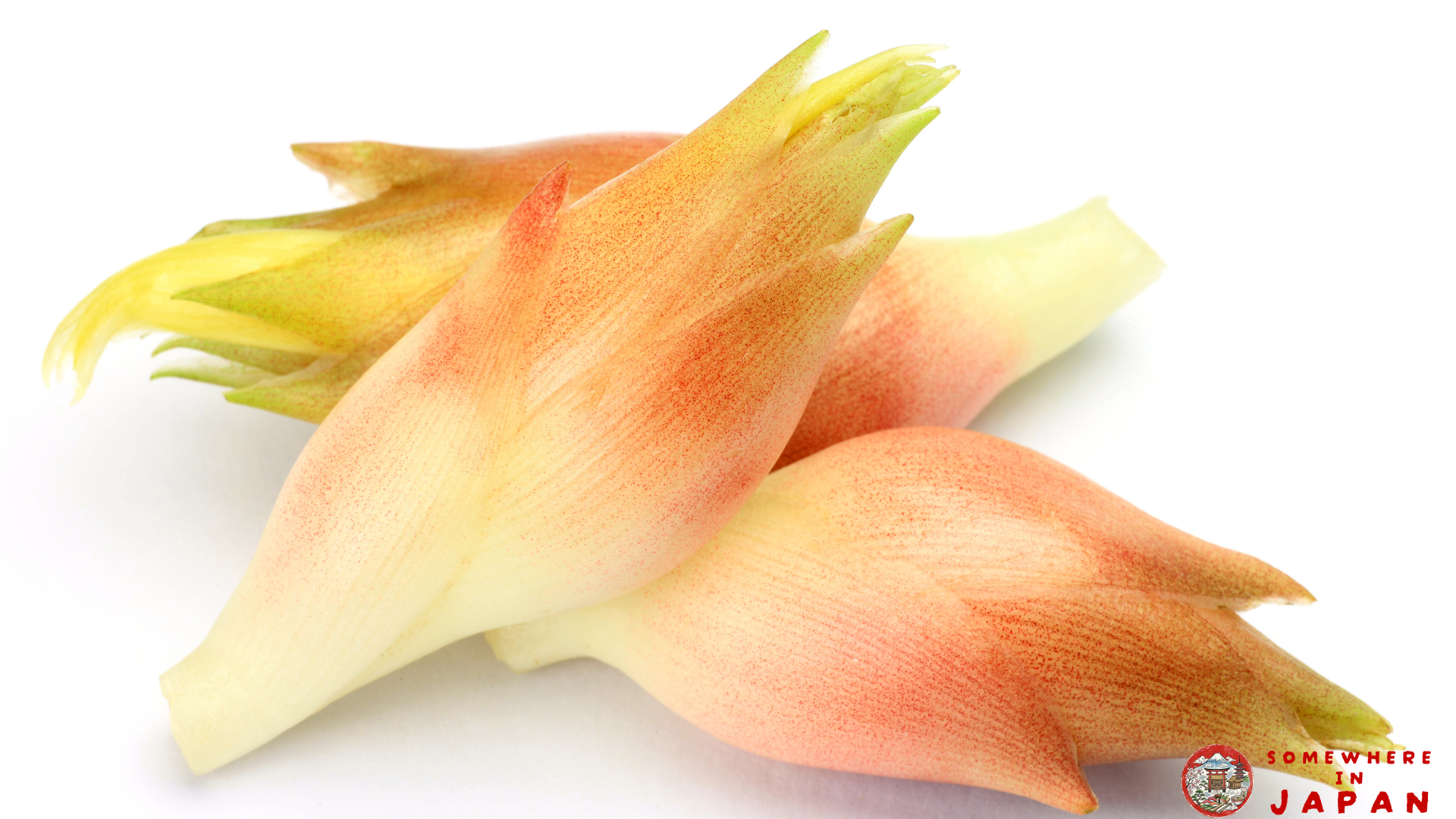
- Myoga (みょうが) – Japanese Ginger: Thinly sliced pink-and-white buds often scattered over chilled tofu, miso soup, or somen noodles. Taste & Texture: Crunchy, juicy, and crisp. It shares a botanical family with ginger, offering a delicate, floral, and mildly peppery flavor without ginger’s intense bite.
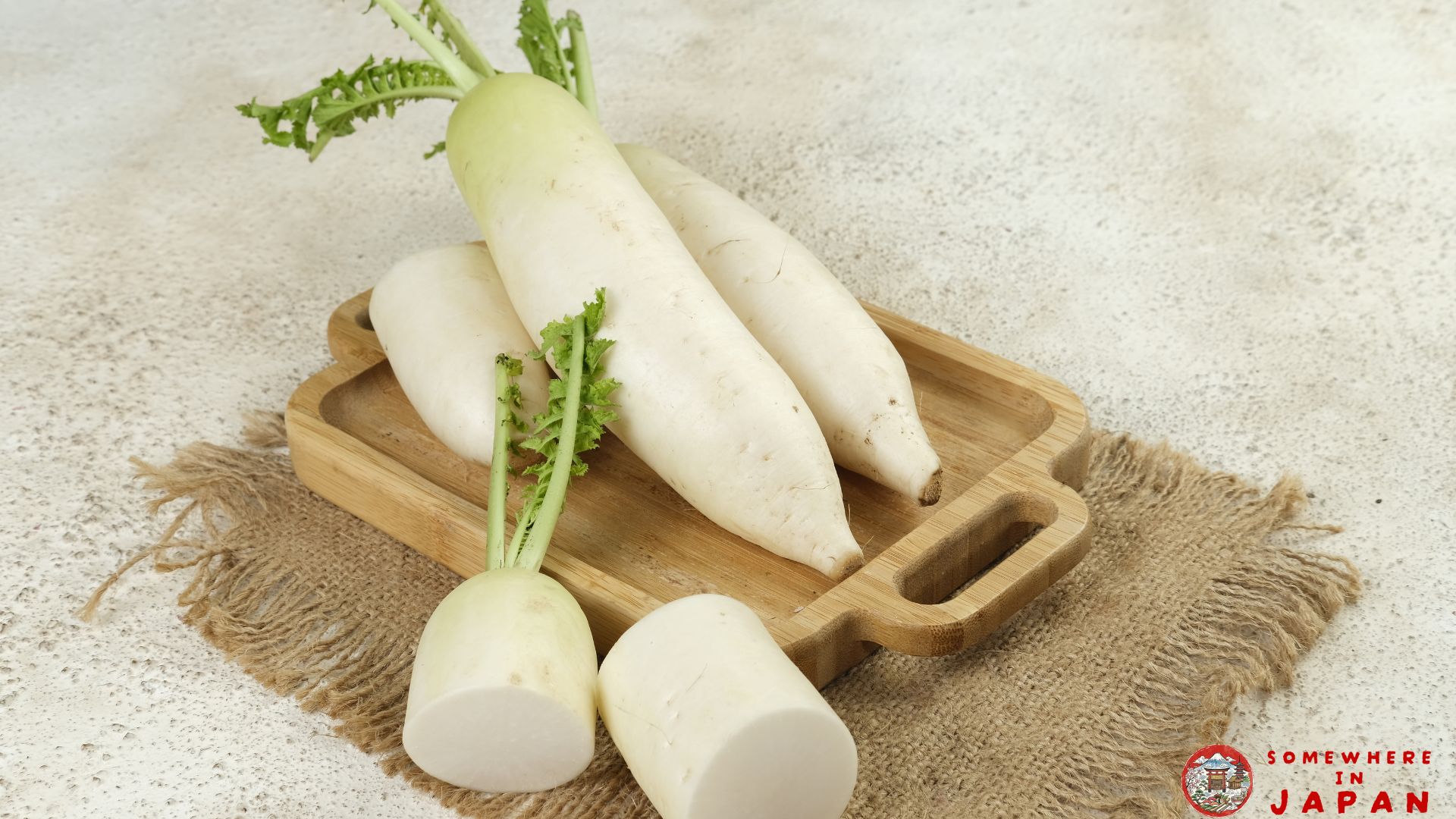
- Daikon (大根) – Giant White Radish: Served raw and finely grated (daikon oroshi) next to grilled fish and tempura, or simmered until tender in stews. Taste & Texture: Raw grated daikon is watery, crisp, and mildly peppery—acting as a palate cleanser for oily foods. When simmered, it turns melt-in-your-mouth tender and soaks up savory dashi broth like a sponge.
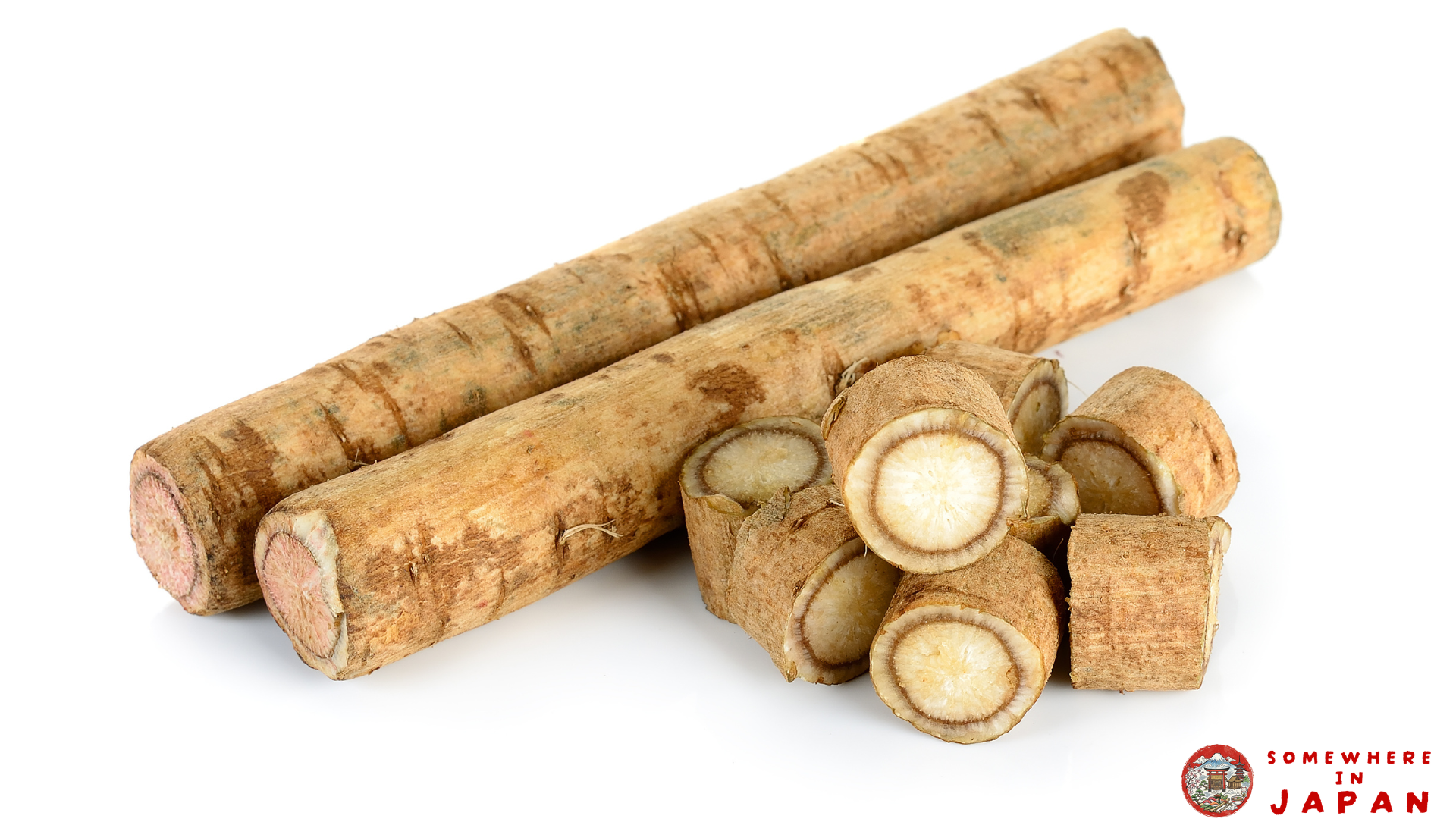
- Gobo (ごぼう) – Burdock Root: A long, slender brown root frequently shaved into thin strips and stir-fried with carrots and sesame (kinpira gobo). Taste & Texture: Firm, fibrous, and pleasantly chewy with a deep, earthy, and slightly sweet flavor reminiscent of artichoke hearts.
Savory & Briny Delicacies
If a dish tastes deeply savory without relying on heavy butter or cream, one of these umami-packed ingredients is likely behind it.
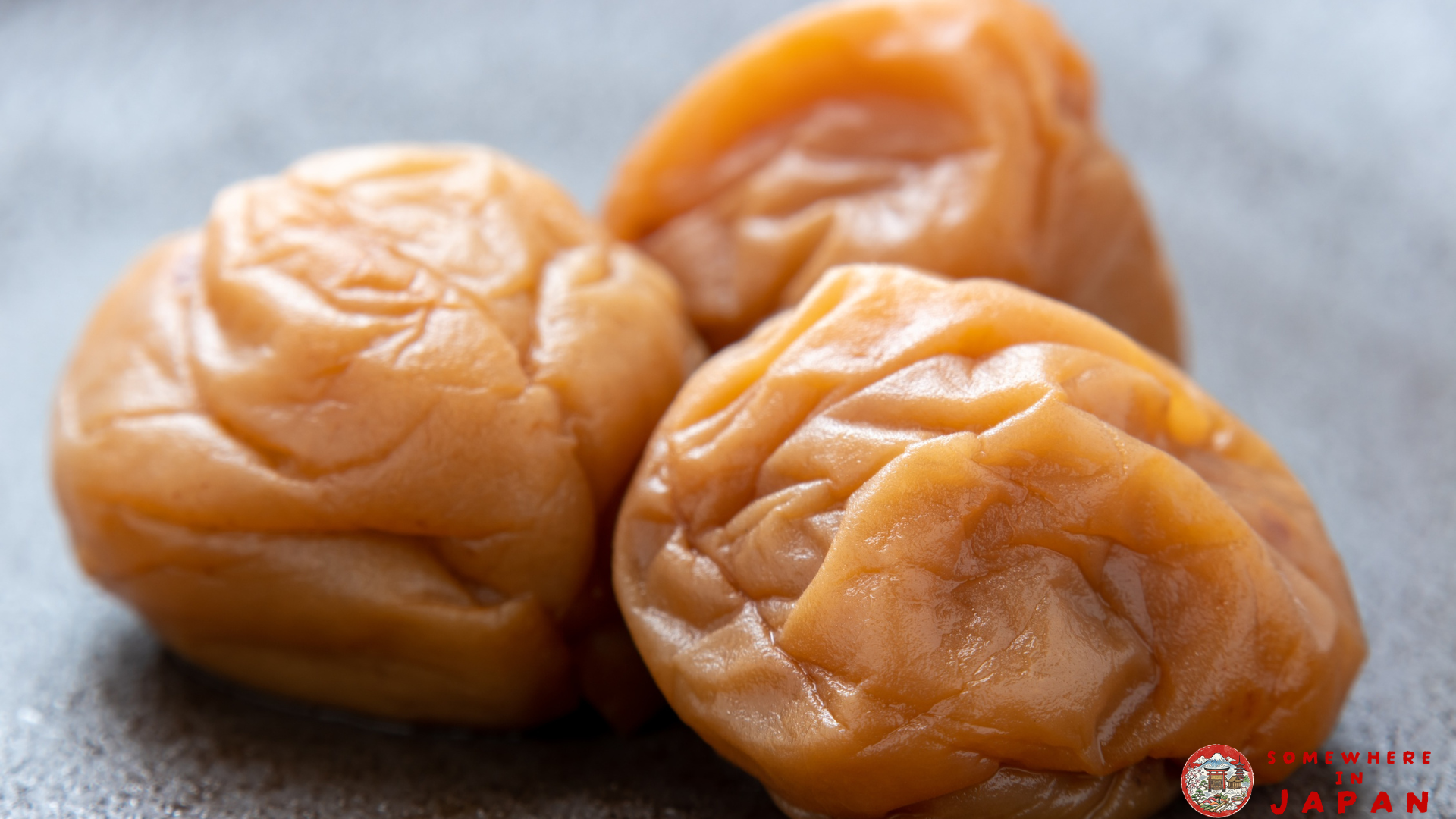
- Umeboshi (梅干し) – Pickled Plum: Often tucked inside the center of a rice ball (onigiri) or placed squarely in the middle of a bento box. Taste & Texture: Soft, wrinkly, and pulpy. Brace yourself: it is intensely sour and salty, making your mouth water instantly. It pairs best when eaten in tiny bites alongside plenty of plain white rice.
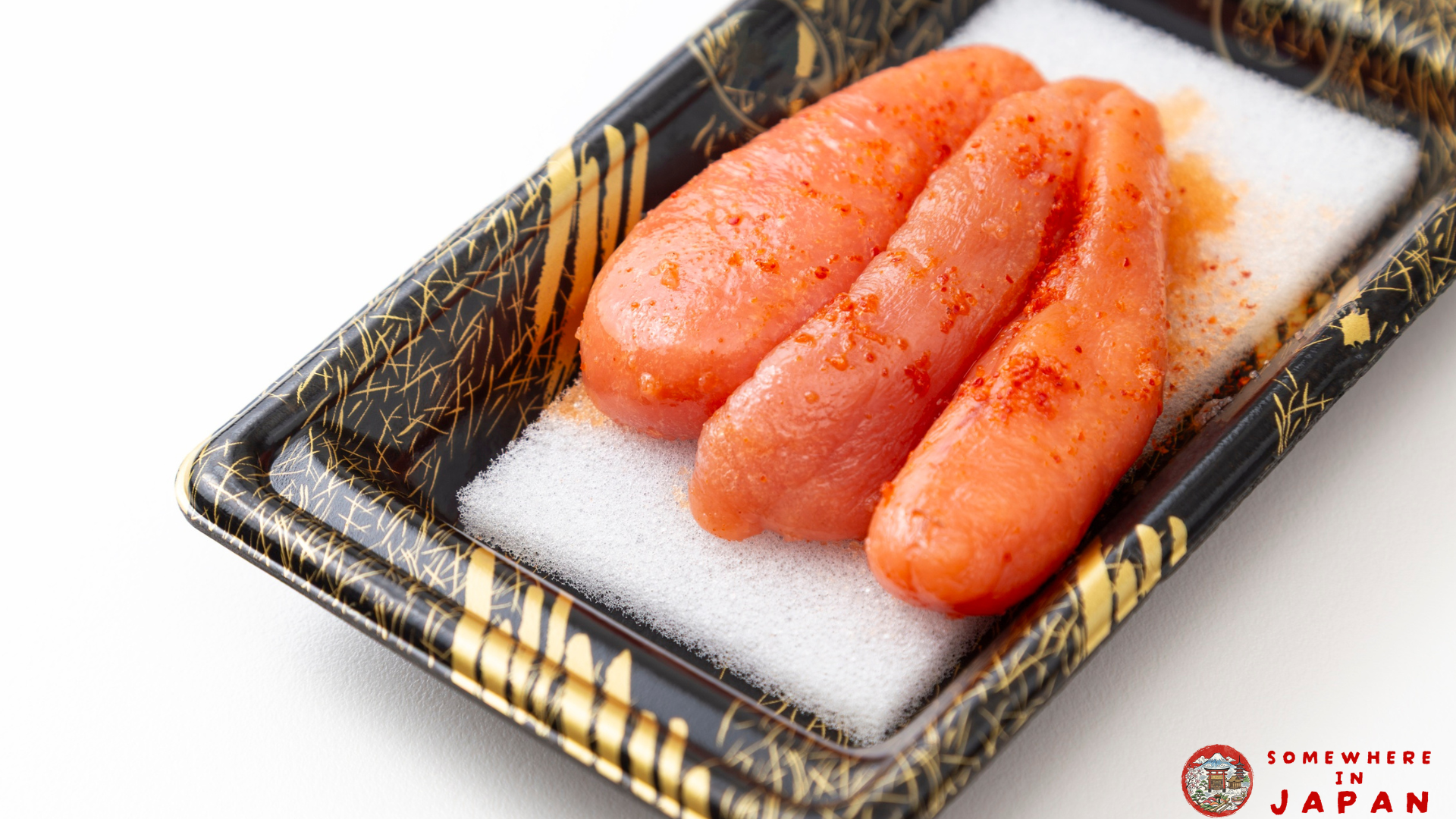
- Mentaiko (明太子) – Spicy Pollock Roe: Small sacs of cured fish eggs marinated in chili pepper, popular in pasta, on top of rice, or baked into pastries. Taste & Texture: Creamy yet lightly grainy, with tiny eggs that pop gently on the tongue. It delivers a rich, oceanic saltiness followed by a pleasant, creeping warmth.
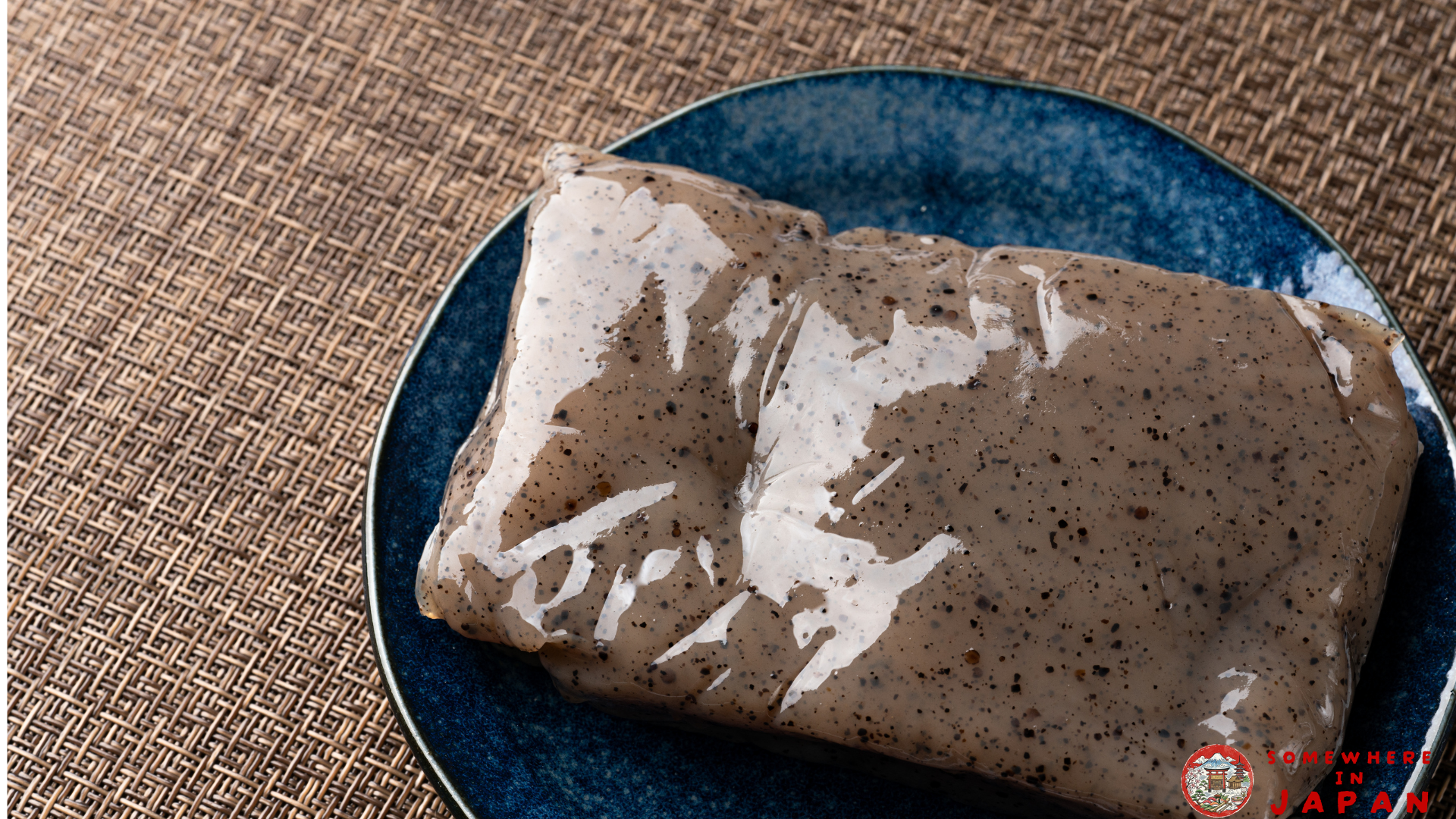
- Konnyaku (こんにゃく) – Konjac Jelly: A grey, speckled block made from the starch of the konjac plant, commonly simmered in oden or sliced into noodle form (shirataki). Taste & Texture: Completely neutral in flavor—it tastes like whatever broth it is cooked in. Its appeal lies entirely in its bouncy, firm, and gelatinous chew.
Quick Menu Cheat Sheet
| Japanese Name | English Equivalent | Key Flavor Profile | Texture |
|---|---|---|---|
| Wasabi | Japanese Horseradish | Sharp nasal heat, fresh, slightly sweet | Smooth, slightly grainy paste |
| Yuzu Kosho | Chili-Citrus Paste | Salty, bright citrus, sharp spice | Coarse, moist paste |
| Natto | Fermented Soybeans | Pungent, savory, nutty, cheesy | Sticky, stringy, soft beans |
| Shiso (Ooba) | Perilla Leaf | Herbal, minty, hints of basil & anise | Crisp, delicate leaf |
| Myoga | Japanese Ginger Bud | Floral, mildly peppery, refreshing | Crunchy, juicy |
| Umeboshi | Pickled Plum | Extremely sour and salty | Soft, wrinkly, pulpy |
| Konnyaku | Konjac Yam Cake | Neutral (absorbs surrounding broth) | Firm, bouncy, chewy jelly |
Next time you see one of these names on an izakaya menu or spot an unfamiliar garnish on your plate, don’t hesitate to dive in—experiencing these contrasts in texture and flavor is half the fun of eating in Japan.





Comments