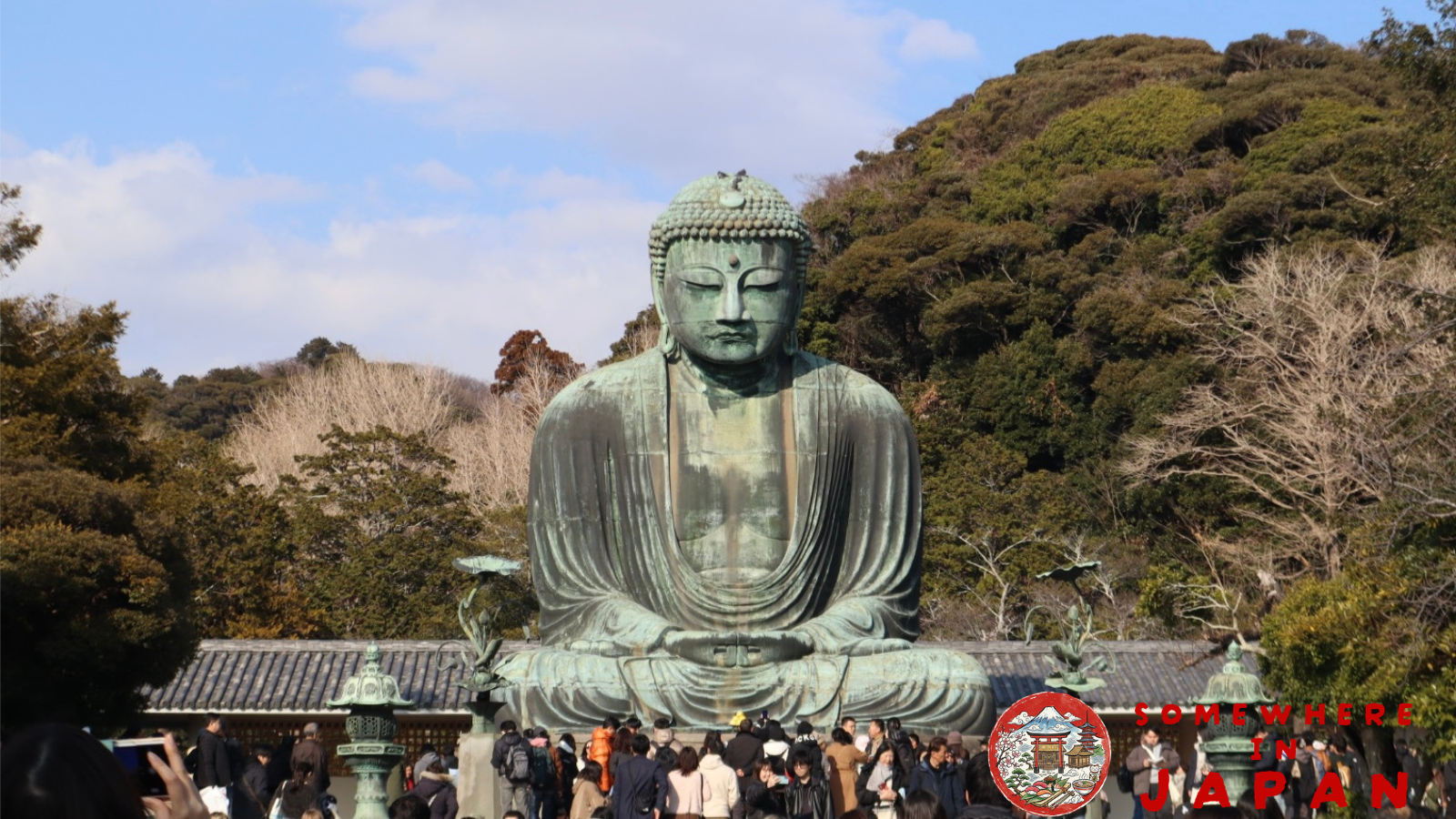
Looking for an easy and memorable day trip from Tokyo? Just an hour away by train lies Kamakura, Japan’s ancient coastal capital. Famous for its majestic Great Buddha, serene Zen temples, historic shrines, vibrant street food, and ocean views, Kamakura offers a refreshing contrast to the bustling metropolis of Tokyo.
This article guides you through the top attractions, best local eats, transport details, and essential travel tips for a smooth, unforgettable experience.
I’m Shuto!
Travel Japan Like a Local!
My mission?
To help you experience the very best of Japan
What’s in Kamakura?
Discover Kamakura: Japan’s Coastal Haven of History and Culture
Located just an hour south of Tokyo, Kamakura is a charming coastal town that offers the perfect blend of rich samurai history, serene spiritual sites, and stunning natural beauty.
- The Great Buddha (Kotoku-in Temple)
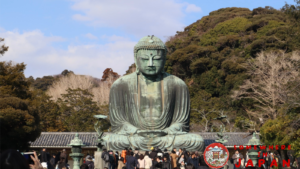
Stand in awe before the Great Buddha of Kamakura, a magnificent 13-meter-tall bronze statue that has weathered open-air storms since the 15th century. It is an unforgettable symbol of peace and resilience. - Historic Temples and Shrines
Immerse yourself in Japan’s spiritual heritage. Visit Tsurugaoka Hachimangu, Kamakura’s most important Shinto shrine, or wander through Hase-dera Temple, famous for its stunning coastal views and vibrant seasonal flowers. For a unique experience, wash your money at Zeniarai Benten Shrine—local tradition says it will double in value! - Scenic Nature & Hiking Trails
Kamakura is surrounded by lush green hills and ocean views. Take a peaceful stroll through the bamboo grove at Houkoku-ji Temple, explore gentle hiking trails connecting ancient shrines, or head to the Yuigahama coastline for ocean breezes and sunsets. - Local Food and Shopping
Walk down the bustling Komachi-dori Street to sample delicious street food, locally brewed craft beer, fresh seafood bowls (Kaisen-don), and traditional Japanese sweets (wagashi). It’s also the perfect spot to pick up handcrafted souvenirs.
10 Things to do in Kamakura
1. Breakfast at VERVE COFFEE ROASTERS
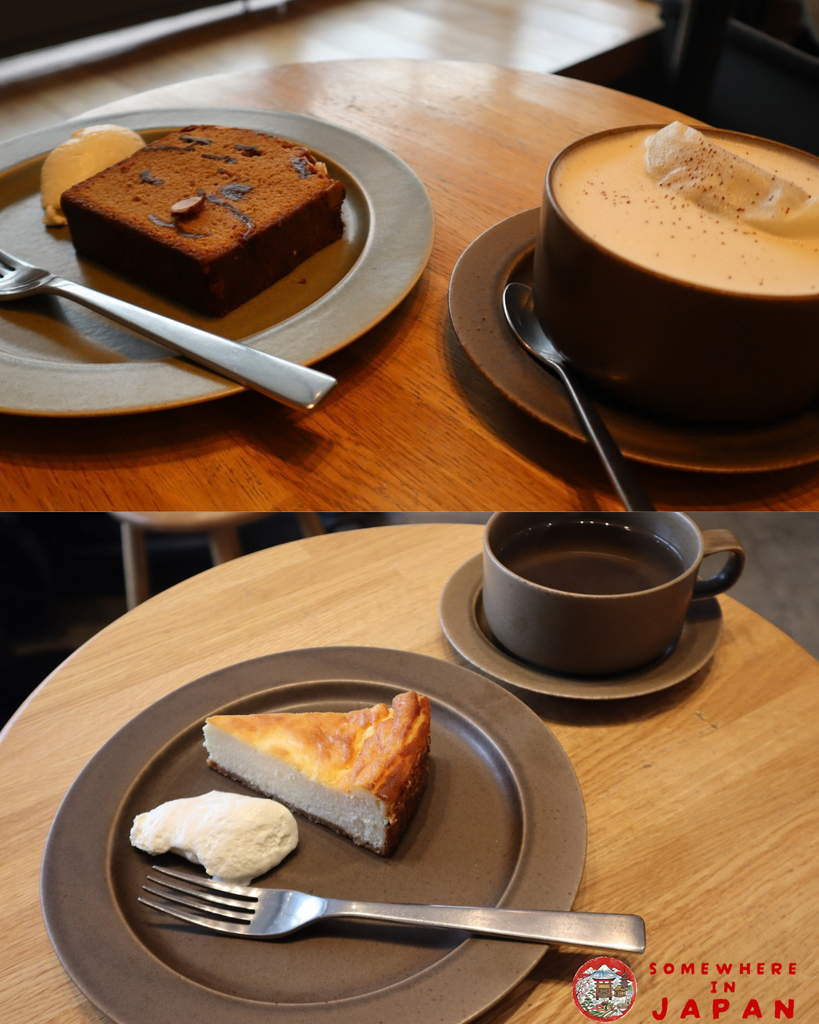
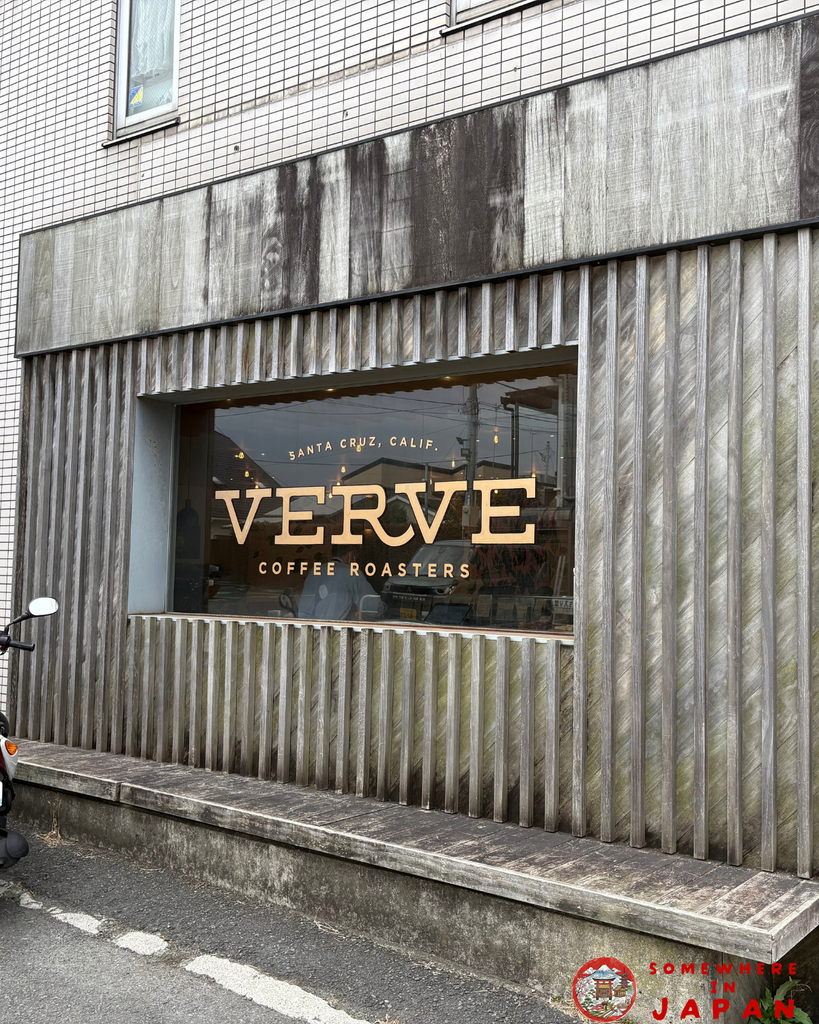
“Verve Coffee Roasters” is a specialty coffee roaster and café from California, known for its fresh, fruit-forward coffee and carefully roasted beans. In Kamakura, the café offers a relaxed atmosphere where you can enjoy high-quality coffee while exploring the historic town.
VERVE also roasts its coffee by hand in Kita-Kamakura, using carefully selected beans sourced directly from coffee farms around the world.
Kita-Kamakura roaster
Address: 1395 Yamanouchi, Kamakura, Kanagawa 247-0062, Japan
Access: About a 3-minute walk from Kita-Kamakura Station on the JR Yokosuka Line
Opening Hours: 7:00 AM – 7:00 PM daily
Yukinoshita
Address: 1-10-8 Yukinoshita, Kamakura, Kanagawa 248-0005, Japan
Access: About an 8-minute walk from Kamakura Station East Exit
Opening Hours: 7:00 AM – 7:00 PM daily
2. Visit the Great Buddha of Kamakura
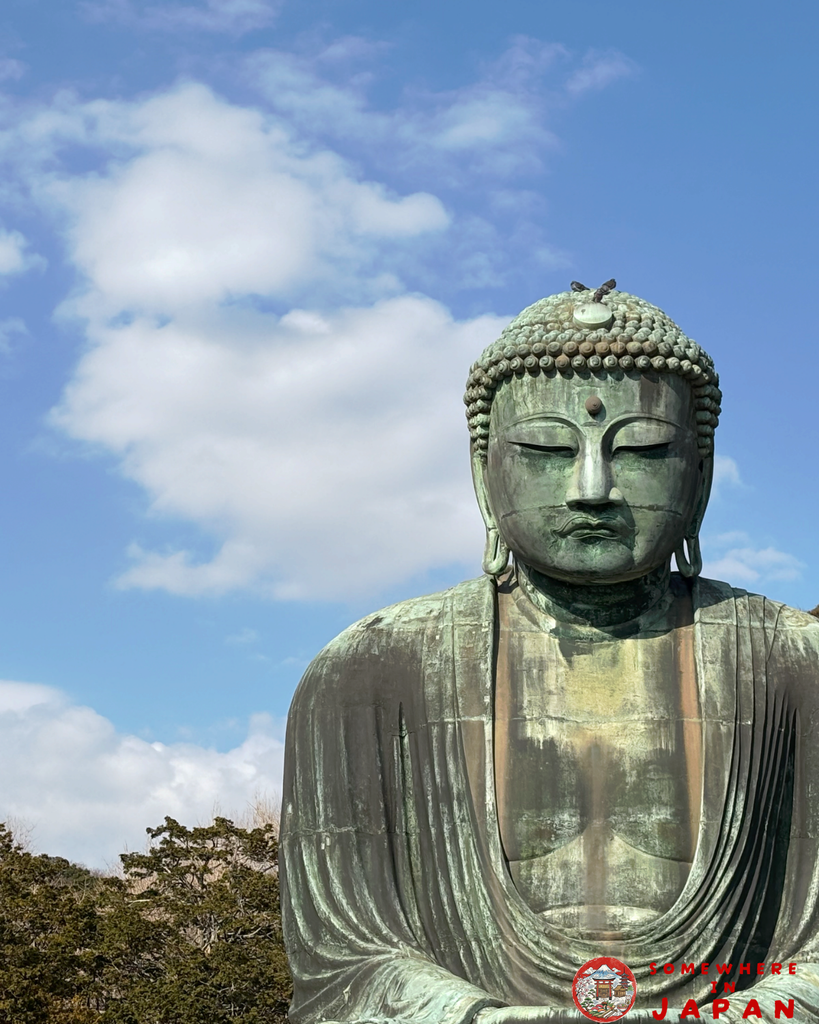
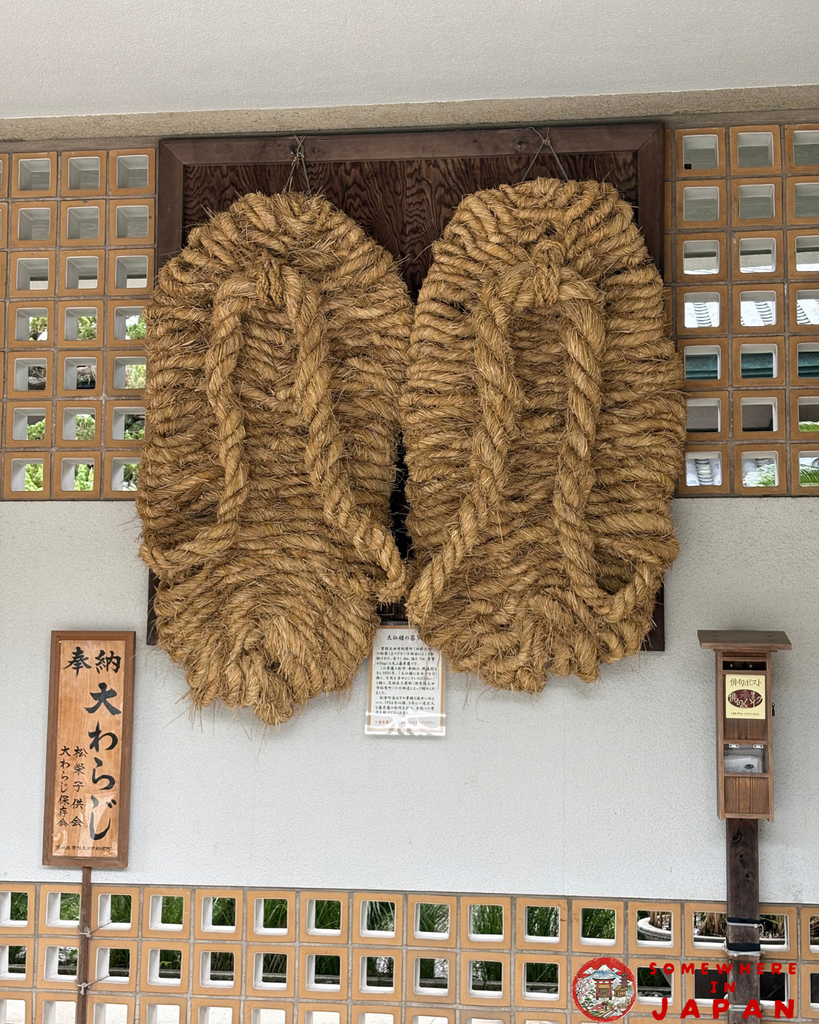
Kotoku-in is one of Kamakura’s most iconic Buddhist temples and is home to the famous Great Buddha of Kamakura (Kamakura Daibutsu). The monumental bronze statue of Amida Buddha stands outdoors and is designated as an important cultural landmark.
The Great Buddha was cast in the 13th century and originally stood inside a large temple hall. After the hall was destroyed by natural disasters, the statue remained outdoors, creating the distinctive scenery visitors can see today. Visitors can also enter the interior of the Great Buddha for a small additional fee.
Kotoku-in Temple
Address: 4-2-28 Hase, Kamakura, Kanagawa 248-0016, Japan
Access: About a 7-minute walk from Hase Station on the Enoshima Electric Railway (Enoden)
Opening Hours: 8:00 AM – 5:30 PM (Apr.-Sep.) 8:00 AM – 5:00 PM (Oct.-Mar.)
3. Sightseeing at Hasedera Temple
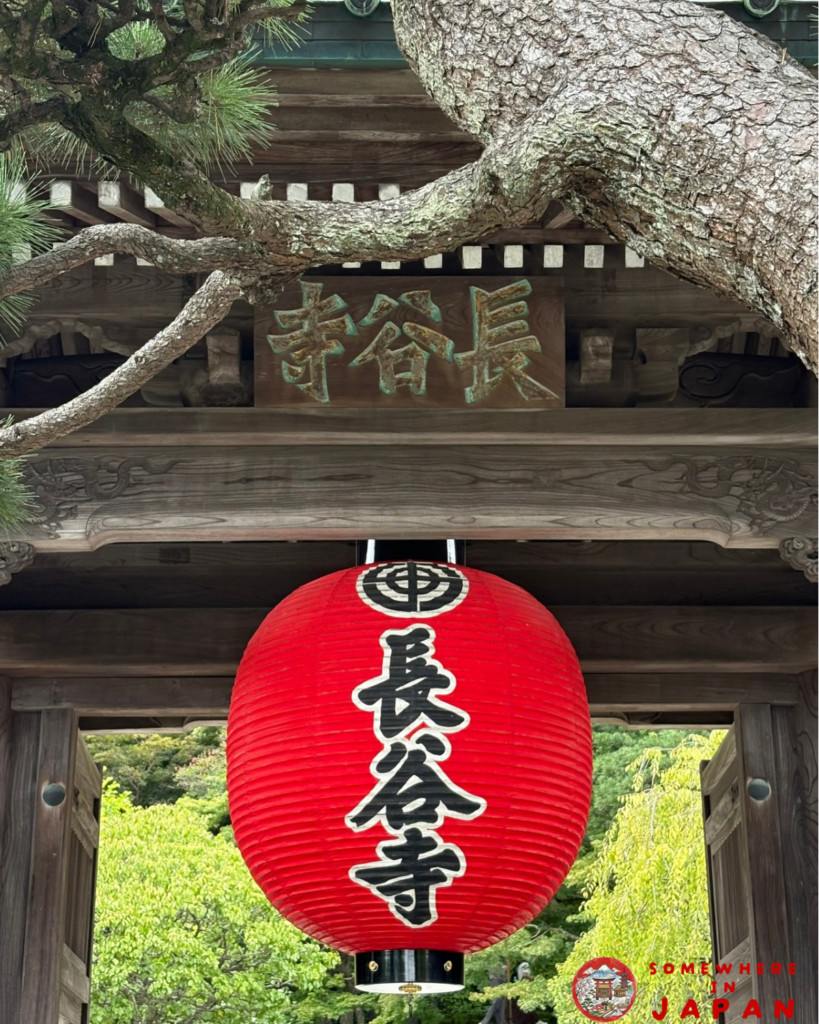
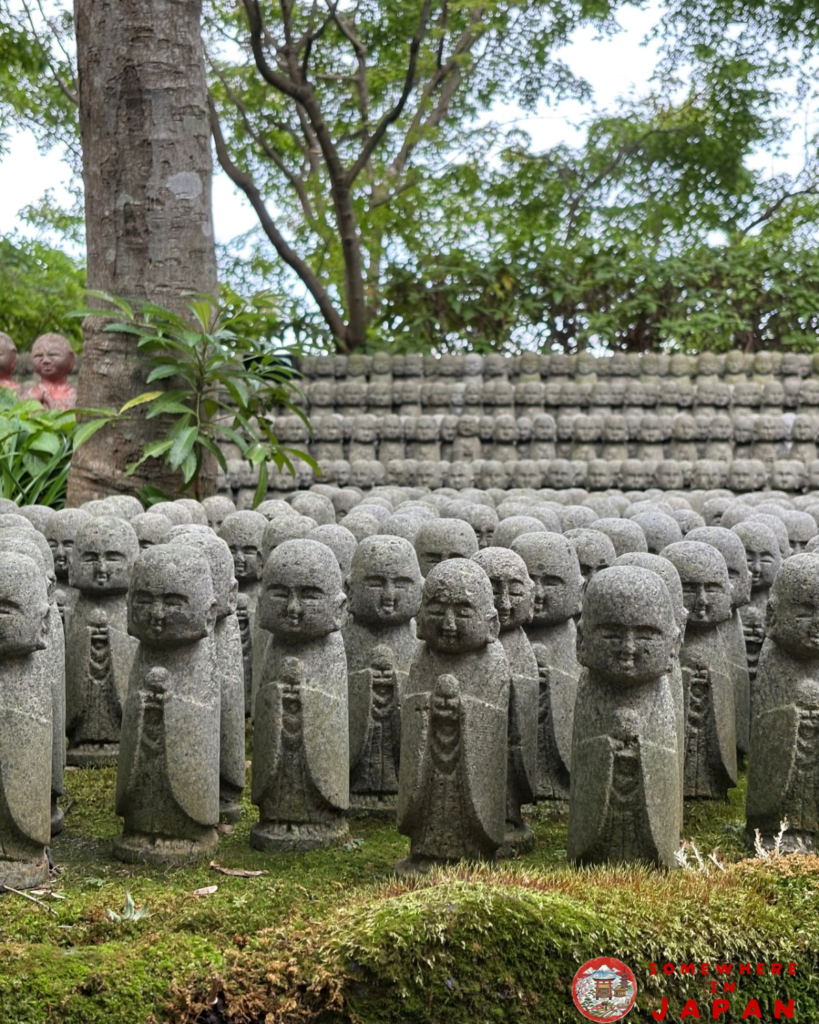
Hasedera Temple is one of Kamakura’s most beautiful and historic temples, famous for its impressive 11-headed Kannon statue, beautiful gardens, and breathtaking views of Kamakura and the ocean. The temple is built on the hillside of Kannon-zan, allowing visitors to enjoy seasonal flowers and a peaceful atmosphere surrounded by nature.
One of the highlights is the 9.18-meter-tall wooden statue of the Eleven-Headed Kannon, one of the largest wooden Buddhist statues in Japan. The temple is also especially popular for its hydrangeas in early summer and colorful autumn foliage.
Hasedera Temple
Address: 3-11-2 Hase, Kamakura, Kanagawa 248-0016, Japan
Access: 5-minute walk from Hase Station on the Enoshima Electric Railway (Enoden)
Opening Hours: 8:00 AM – 4:30 PM (Jul.-Mar.) 8:00 AM – 5:00 PM (Apr.-Jun.)
4. Lunch, Tea Break at bills
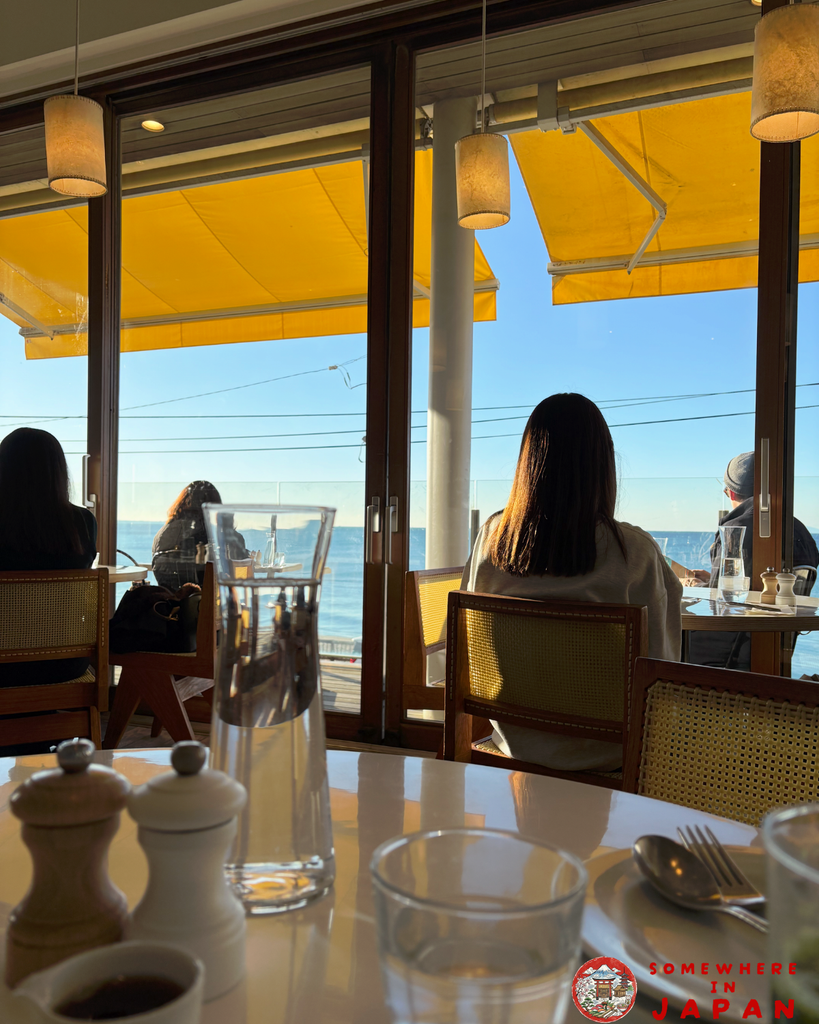
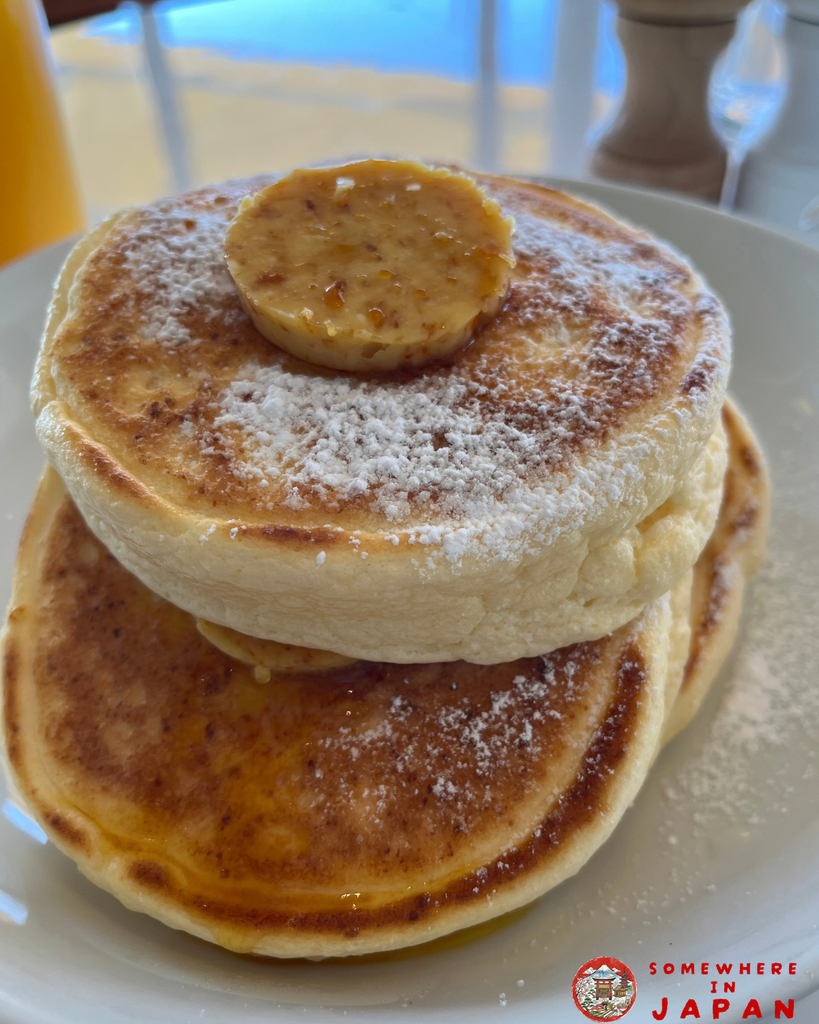
Located right by the beautiful Shichirigahama coast, bills Shichirigahama offers a relaxed dining experience with stunning views of the ocean. The open-air terrace is the perfect place to enjoy a meal while feeling the sea breeze and taking in the scenic beauty of Shonan.
As the first bills restaurant to open in Japan, it has become a popular destination for both locals and visitors. Guests can enjoy fresh, modern Australian cuisine in a bright and welcoming atmosphere.
bills Shichirigahama
Address: Weekend House Alley 2F, 1-1-1 Shichirigahama, Kamakura, Kanagawa 248-0026, Japan
Access: Just a 2-minute walk from Shichirigahama Station on the Enoshima Electric Railway (Enoden)
Opening Hours: 7:00 AM – 5:00 PM (Monday) 7:00 AM – 9:00 PM (Tuesday to Sunday)
5. Sightseeing at Hokoku-ji Temple
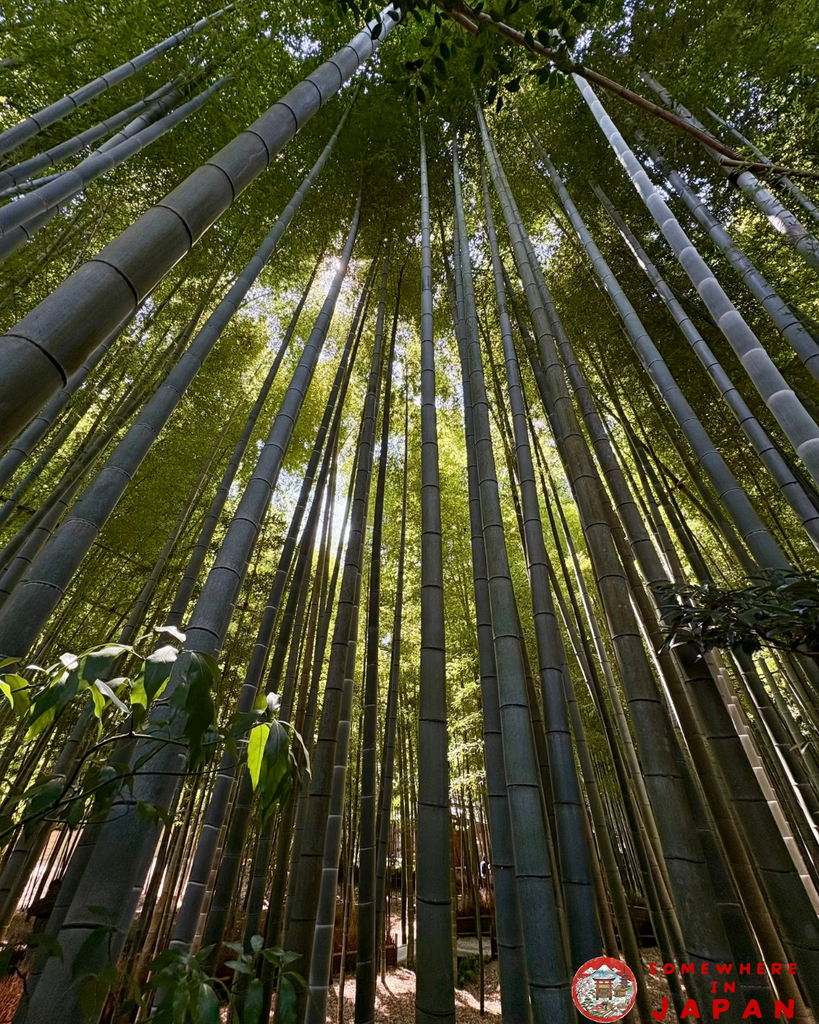
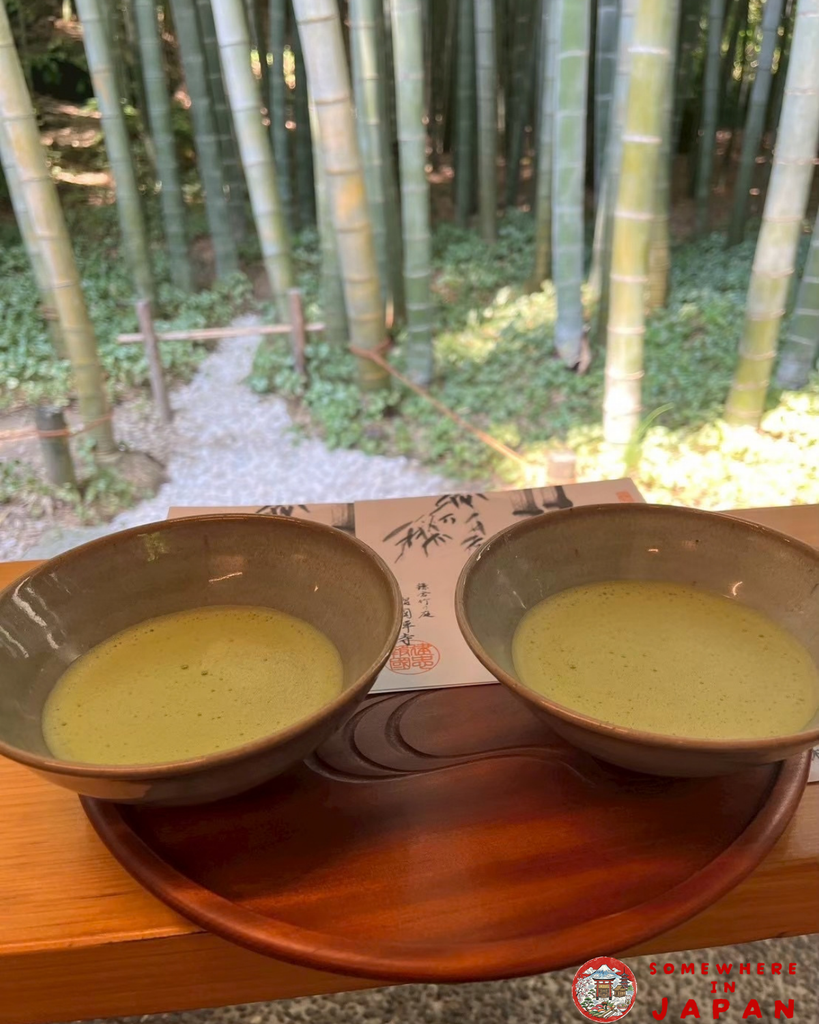
Hokokuji Temple is a beautiful Zen temple in Kamakura, best known for its enchanting bamboo grove of around 2,000 moso bamboo trees. Walking through the tall bamboo creates a peaceful and refreshing atmosphere, with sunlight filtering through the leaves.
Visitors can also enjoy matcha green tea and traditional Japanese sweets at the tea house while looking out over the bamboo garden. It is an ideal place to experience the tranquility and beauty of traditional Japanese Zen culture.
Hokokuji Temple
Address: 2-7-4 Jomyoji, Kamakura, Kanagawa 248-0003, Japan
Access: From the East Exit of JR Kamakura Station, take a bus bound for Jomyoji and get off at Jomyoji Bus Stop. The temple is about a 3-minute walk from the bus stop.
Opening Hours: 9:00 AM – 4:00 PM
6. Taking the Enoden line train
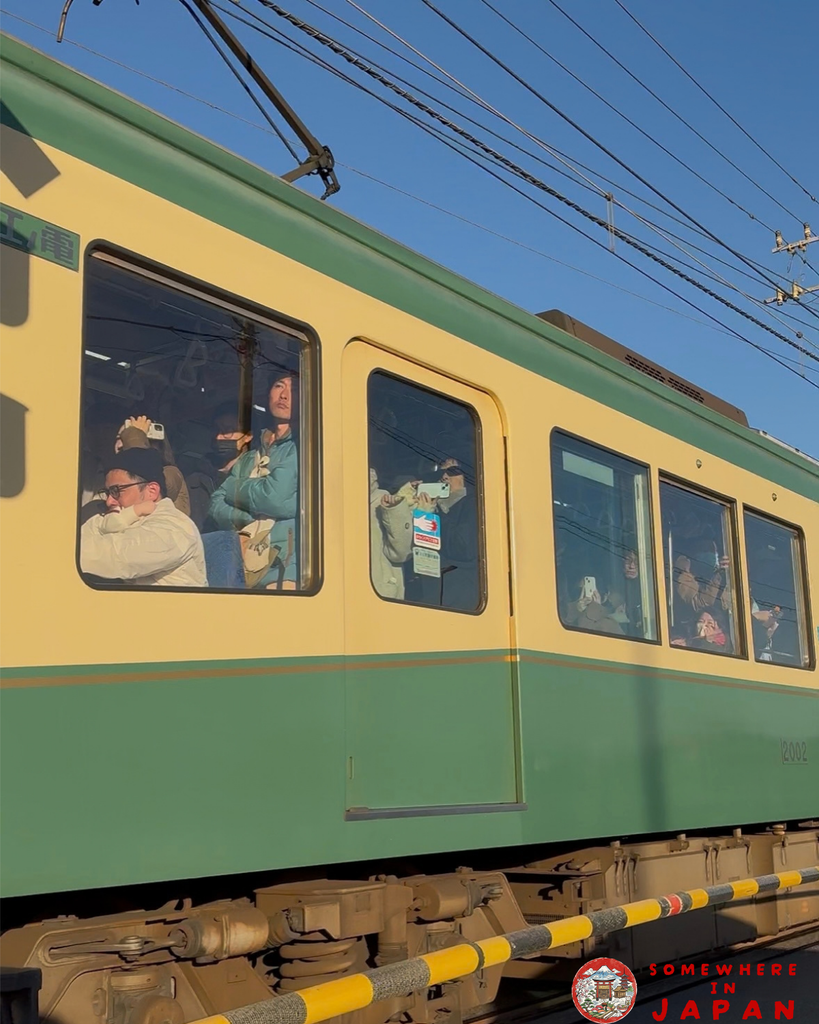
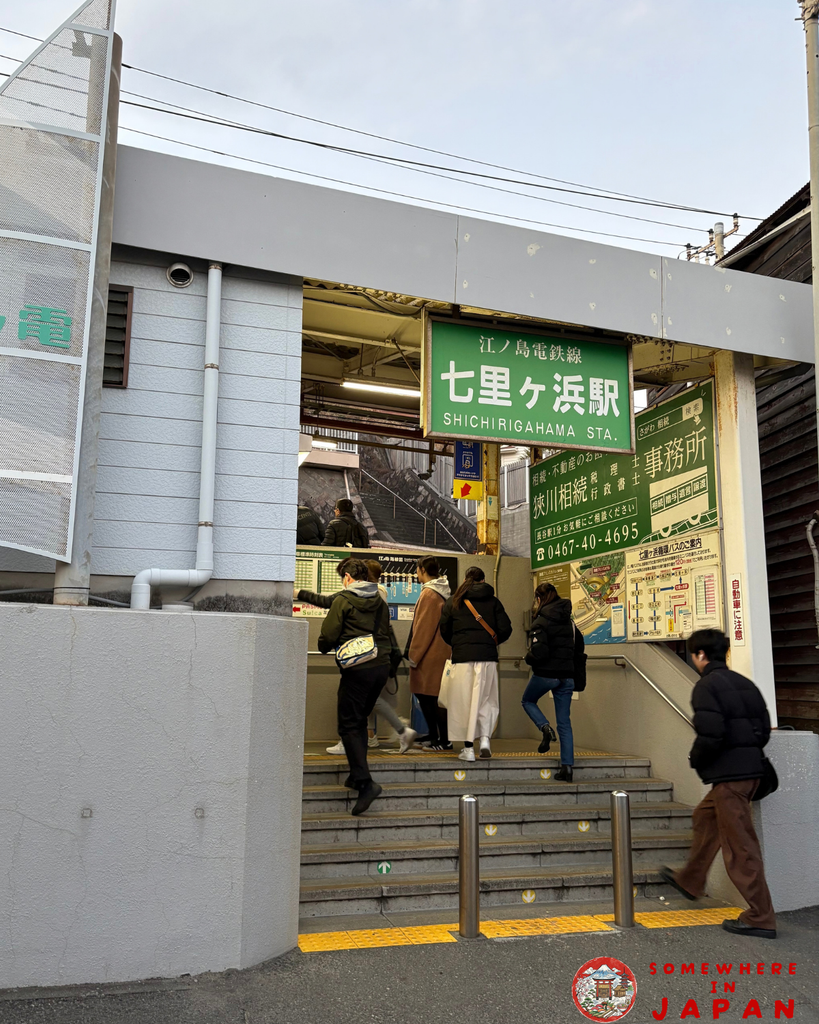
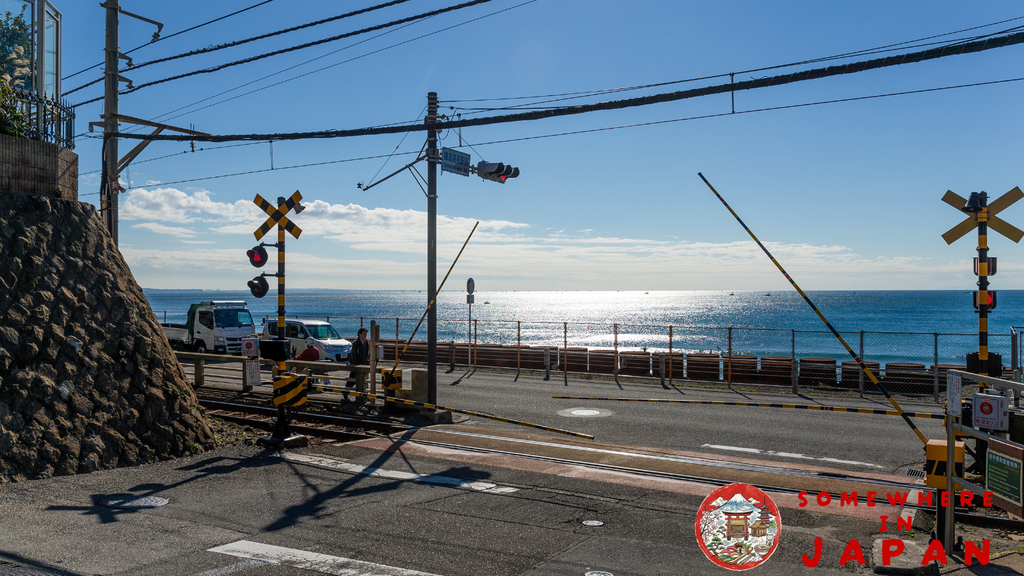
The Enoshima Electric Railway—affectionately known as Enoden—is one of Japan’s most charming and iconic train lines. Connecting Kamakura and Fujisawa along the Shonan coast, it is much more than just transit; it is an unforgettable travel experience.
Enoden operates a unique mix of train cars, ranging from modern models to retro green-and-cream vintage carriages with wooden interiors. Riding through narrow coastal neighborhoods feels like stepping back in time or riding a train through a miniature village.
The level crossing next to Kamakurakōko-mae Station is world-famous as the iconic opening scene location for the anime Slam Dunk. It attracts fans from all over the globe looking to recreate the legendary view of the ocean with the train passing by.
7. Sightseeing, Shopping and Eating at Enoshima Island
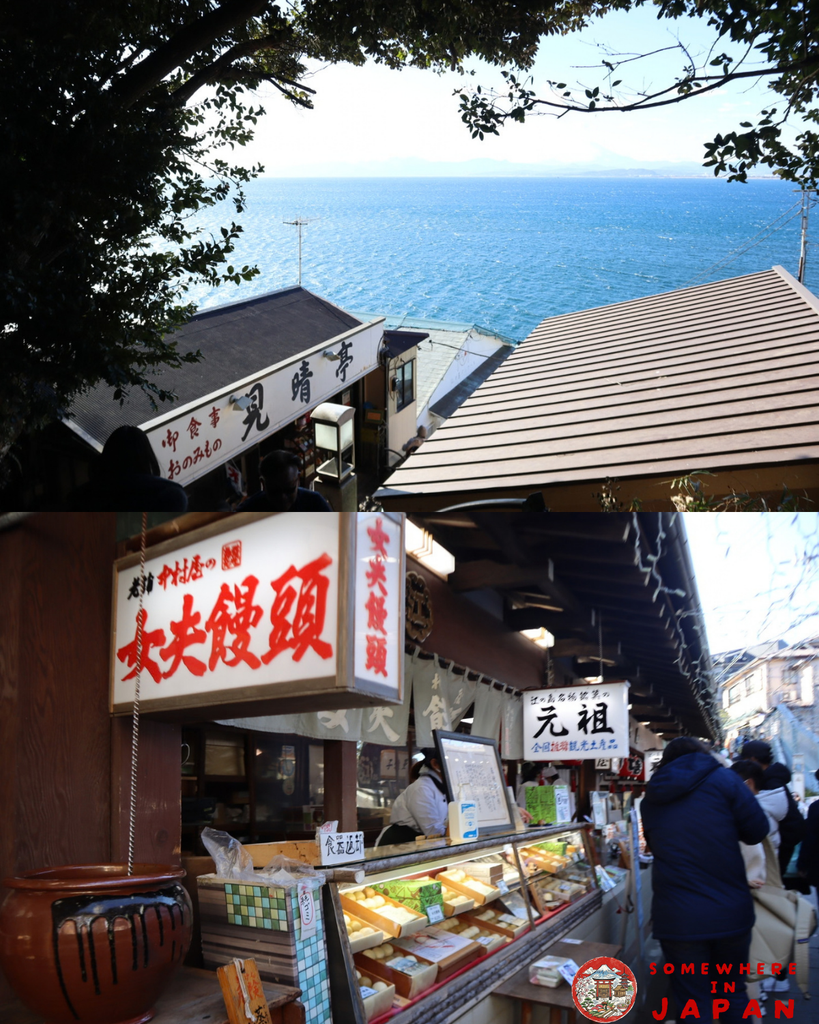
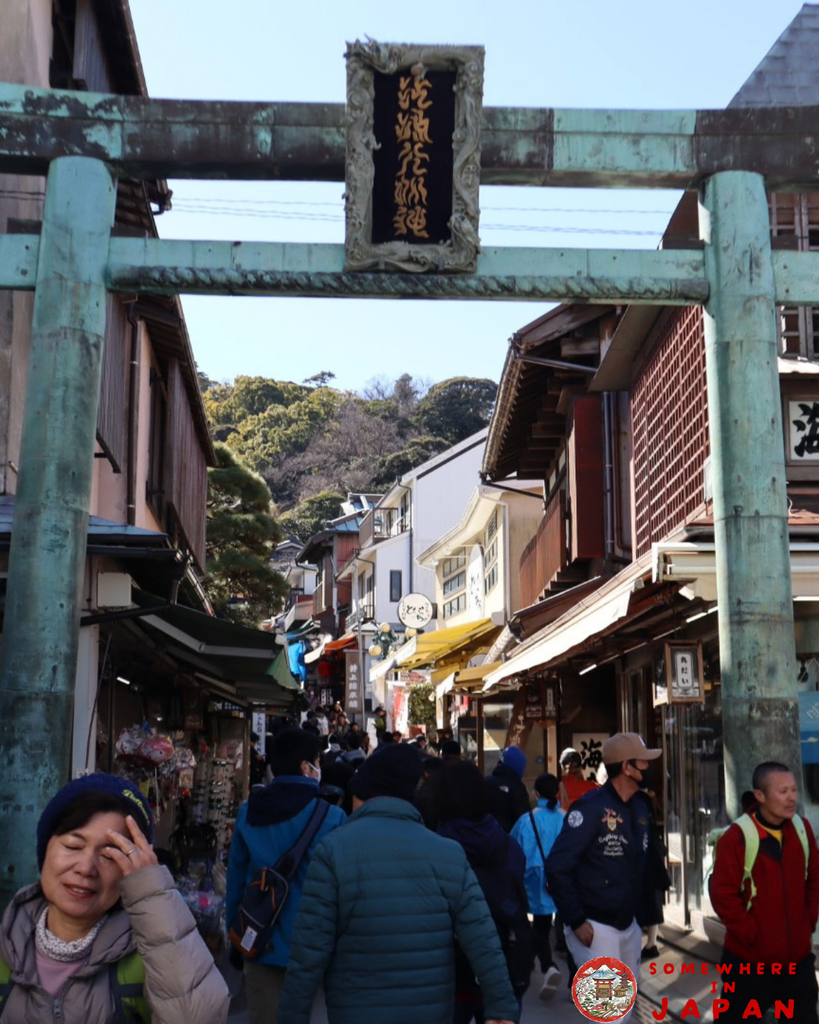
Enoshima is a charming, sacred island located off the coast of Fujisawa, Kanagawa, connected to the mainland by a 600-meter bridge. Known for its stunning coastal views, rich spiritual history, and delicious seafood.
Visitors can take in unforgettable views of Sagami Bay and Mt. Fuji—especially at sunset—while exploring key landmarks such as the historic Enoshima Shrine, the sacred Iwaya Caves eroded by ocean waves, and the bustling Nakamise Street lined with traditional shops. At the island’s peak, the Samuel Cocking Garden and its iconic Sea Candle observation tower offer a stunning 360-degree panorama of the coastline.
Beyond its sights, Enoshima is a haven for food lovers, famous for local delicacies like fresh shirasu (whitebait) rice bowls, giant freshly pressed tako senbei (octopus crackers), and flame-grilled sazae (turban shell sea snails).
Enoshima
Address: Enoshima, Fujisawa City, Kanagawa 251-0036, Japan
Access: Get off at Enoshima Station and walk about 15 minutes across the bridge(Enoden)
8. Sightseeing at Kenchoji Temple
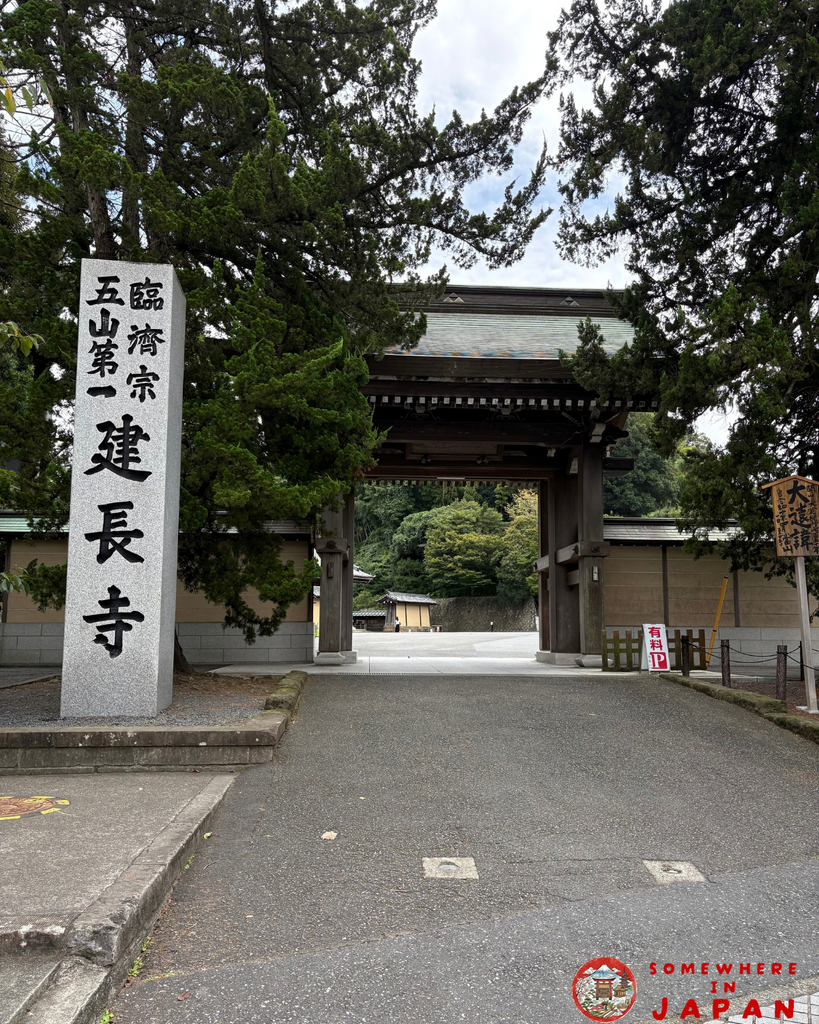
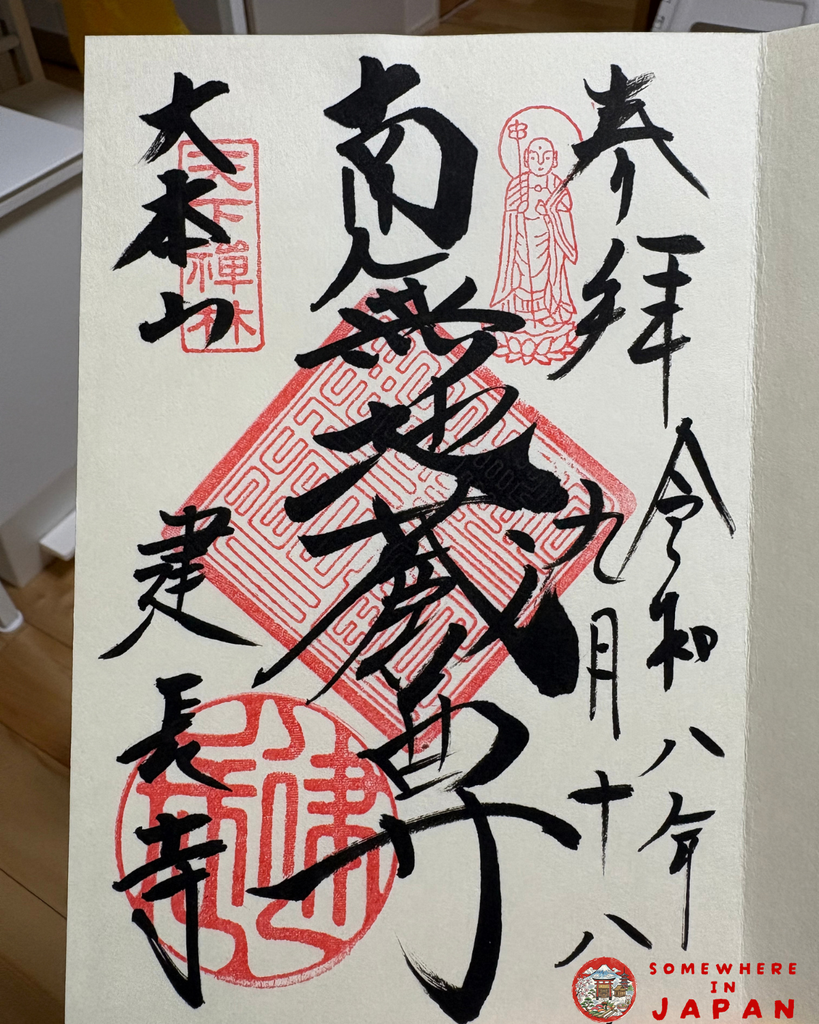
Kencho-ji Temple is one of the most historical and prestigious Zen temples in Japan. Located in Kamakura, it is the head of the Kencho-ji branch of Rinzai Zen sect and ranks Number One among Kamakura’s Five Great Zen Temples (Kamakura Gozan).
Founded in 1253 by regent Hojo Tokiyori and Chinese Zen Master Rankei Doryu, Kencho-ji Temple is revered as Japan’s first true Zen training monastery and holds the top rank among Kamakura’s Five Great Zen Temples. Visiting the temple allows guests to step into a peaceful, historically significant sanctuary filled with remarkable architectural and cultural treasures. Among these are the magnificent 18th-century Sanmon Gate, a Bonsho (Temple Bell) cast in 1255 designated as a National Treasure, and a giant ceiling dragon painting in the Hokodo (Dharma Hall) by Junsaku Koizumi. Framing the courtyard are 700-year-old Chinese juniper trees believed to have been grown from seeds brought from China by Rankei Doryu himself.
Kencho-ji Temple
Address: 8 Sunouchi, Yamanouchi, Kamakura, Kanagawa, Japan
Access: Approx. 15–20 minute walk from JR Kita-Kamakura Station
Opening Hours: 8:30 AM – 4:30 PM
9. Sunset at Shichirigahama Beach
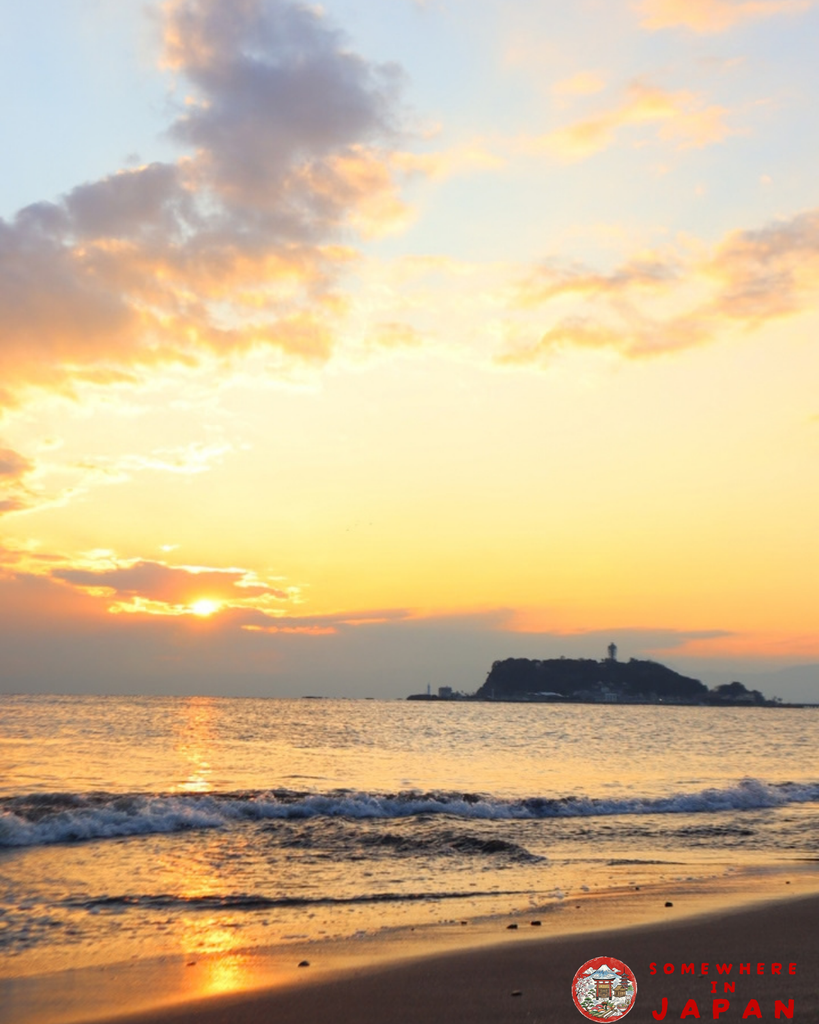
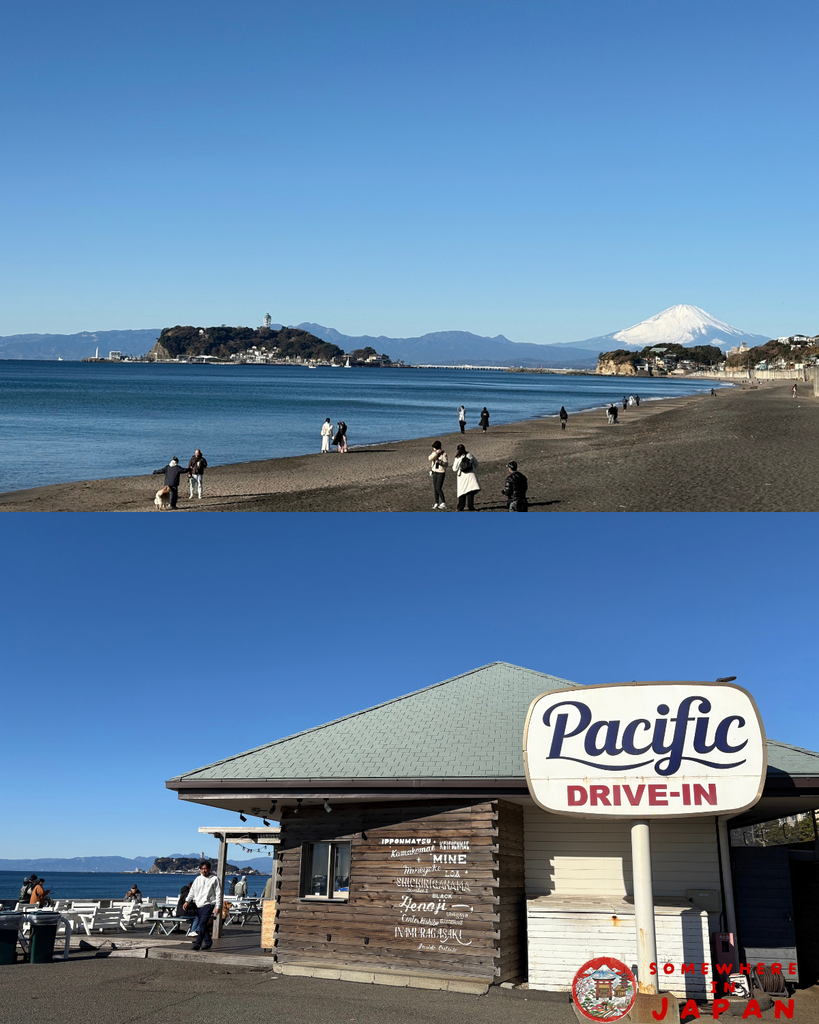
Shichirigahama Beach offers one of Kamakura’s most iconic sunset views, featuring a sweeping panorama along Sagami Bay where the sky transforms into a brilliant gradient from golden orange to deep indigo. On clear days, visitors can capture the majestic silhouette of Mt. Fuji rising alongside Enoshima Island, with vintage green Enoden trains passing along the coastal road in the foreground. The scenic coastline is also lined with stylish oceanfront dining spots, including Bills, Pacific DRIVE-IN, and Amalfi DELLASERA, where guests can enjoy world-class meals and drinks while taking in the stunning sunset scenery.
Sunset at Shichirigahama Beach
Best Time to Visit: Arrive around 45 to 60 minutes before sunset to secure a good spot along the sea wall or a table at a beachside café, as the area gets busy toward evening.
Access: Located right outside Shichirigahama Station on the Enoshima Electric Railway (Enoden)
10. Shopping and Eating at Komachi-dori Street
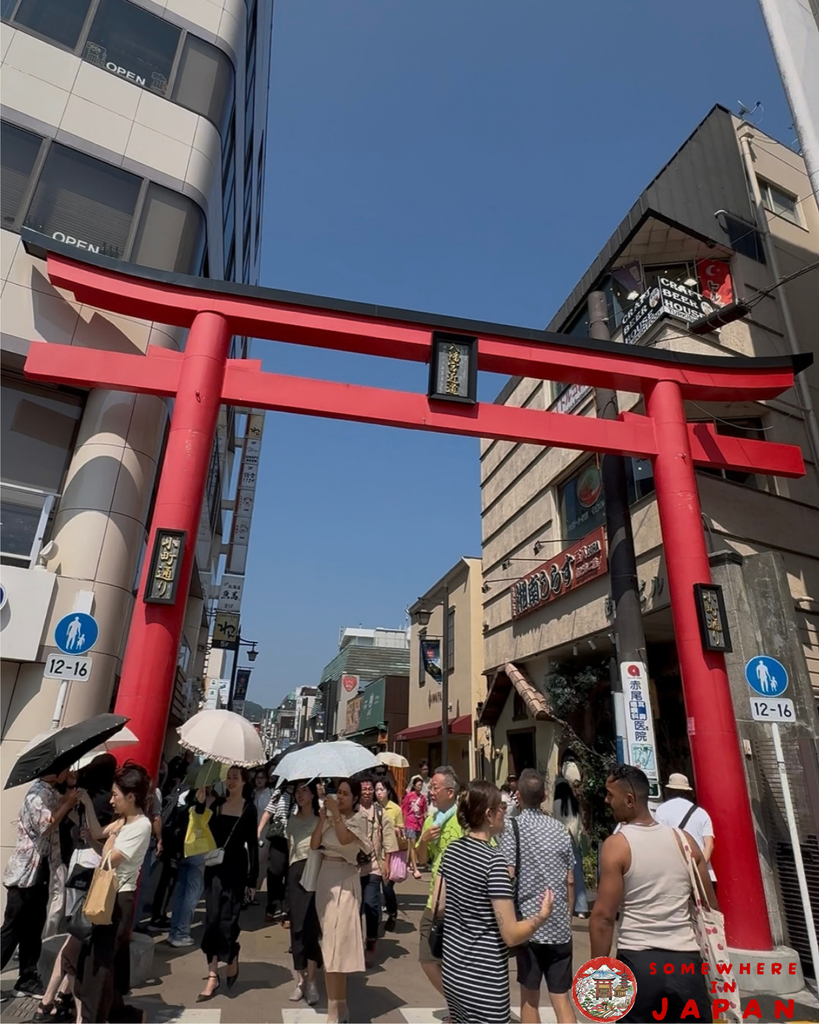
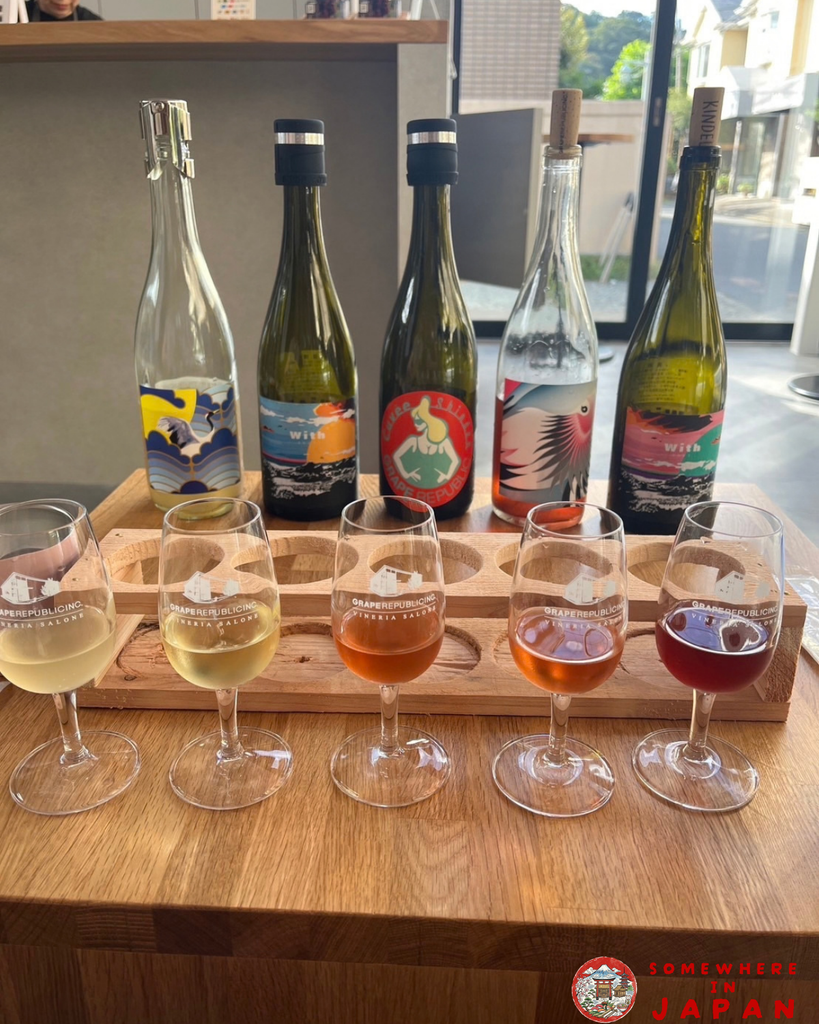
Komachi Street is one of Kamakura’s most popular shopping and dining streets, connecting Kamakura Station with Tsurugaoka Hachimangu Shrine. The lively street is lined with more than 300 shops, including traditional souvenir stores, local restaurants, cafés, sweet shops, and boutiques.
It is also a great place to experience Kamakura’s local food culture, such as shirasu-don (whitebait rice bowls), matcha sweets, traditional Japanese snacks, and other local specialties. Exploring the small side streets is also recommended, as they are home to hidden shops and charming cafés.
Komachi Street
Address: Komachi, Kamakura, Kanagawa 248-0006, Japan
Access: About 1–2 minutes on foot from the East Exit of JR Kamakura Station
How to Get to Kamakura from Tokyo
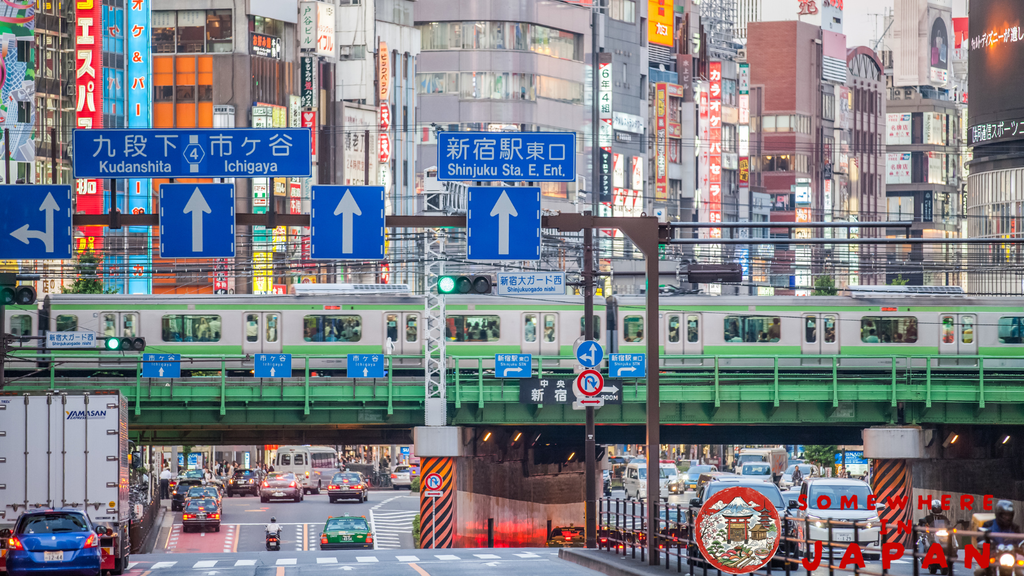
Getting to Kamakura is quick, direct, and straightforward using Japan’s public transit network.
Using Mobile Suica or PASMO via Apple Pay is one of the easiest ways to get to Kamakura.

To ensure a smooth journey, enable ‘Express Transit Mode‘ in your Apple Wallet settings so you can tap through turnstiles without unlocking your device. Keep in mind that some foreign credit cards might get declined when recharging your card in Apple Wallet. If this happens, try simply top up with cash at station ticket machines or convenience stores. Lastly, make sure your phone stays charged, as a dead battery means you won’t be able to exit the gates!
Getting from Tokyo or Shinagawa
Getting from Tokyo or Shinagawa to Kamakura is quick and straightforward. Take the JR Yokosuka Line, which runs directly to Kamakura Station without any transfers.
From Tokyo Station: Takes about 55 minutes, costing around ¥950.
From Shinagawa Station: Takes about 45 minutes, costing around ¥850.
Both options are budget-friendly and perfect for a day trip!
Getting from Shinjuku or Shibuya
Getting from Shinjuku or Shibuya to Kamakura is fast and convenient. The easiest option is to take the direct JR Shonan-Shinjuku Line.
Option 1: JR Shonan-Shinjuku Line (Direct & Fastest)
From Shinjuku Station: Approx. 60 minutes | ¥950
From Shibuya Station: Approx. 55 minutes | ¥950
*Note: Make sure to board trains bound for Zushi, Yokosuka, or Kurihama. Do not take trains bound for Odawara or Hiratsuka, as they split off toward Hakone!
Option 2: Odakyu Line + Enoden via Fujisawa (Scenic Route)
From Shinjuku to Fujisawa (Odakyu Line): Approx. 55 minutes | ¥610
↓
Transfer to the Enoden Line at Fujisawa to Kamakura: Approx. 35 minutes | ¥310
Total Time & Fare: Approx. 90 minutes | Around ¥920
*Great for travelers who want to ride the iconic Enoden coastal train along the way!
Travel Tips for Visiting Kamakura
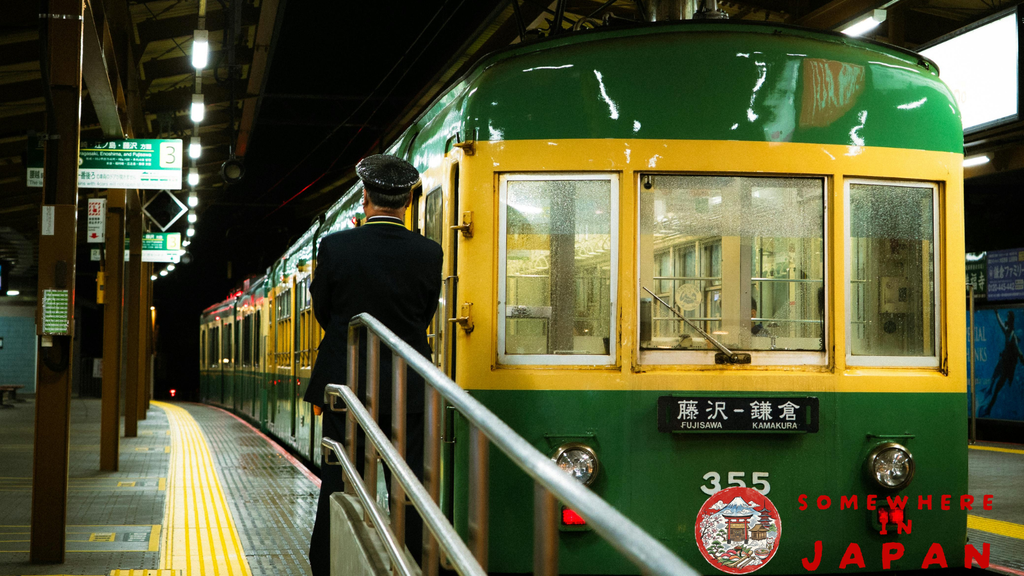
Things to Know Before You Visit Kamakura!
Enoden Railway Pass
If you plan on riding the Enoden train multiple times (e.g., stopping at Hase, Enoshima, or Kamakura-kōkō-mae), purchase the Noriorikun 1-Day Pass for unlimited rides.
Enoden 1-Day Pass Ticket “Noriorikun” gives you unlimited rides on the entire Enoden Line between Fujisawa and Kamakura for one day.
Don’t forget to bring cash(Japanese yen)
While contactless payments and credit cards are becoming more widely accepted in Japan, bringing enough cash (Japanese Yen) is essential when visiting Kamakura.
Many traditional street food stalls, small local restaurants, entry fees at temples and shrines, and local bus fares still accept cash only.
Start Early
Most temples and historic sites close relatively early (around 4:00 PM – 5:00 PM). Arriving by 8:30 AM or 9:00 AM helps you beat the crowds.
Wear Comfortable Walking Shoes
You will easily log 10,000+ steps walking through temple grounds, gravel paths, and shopping streets.
Is One Day Not Enough? The Best Places to Stay in Kamakura
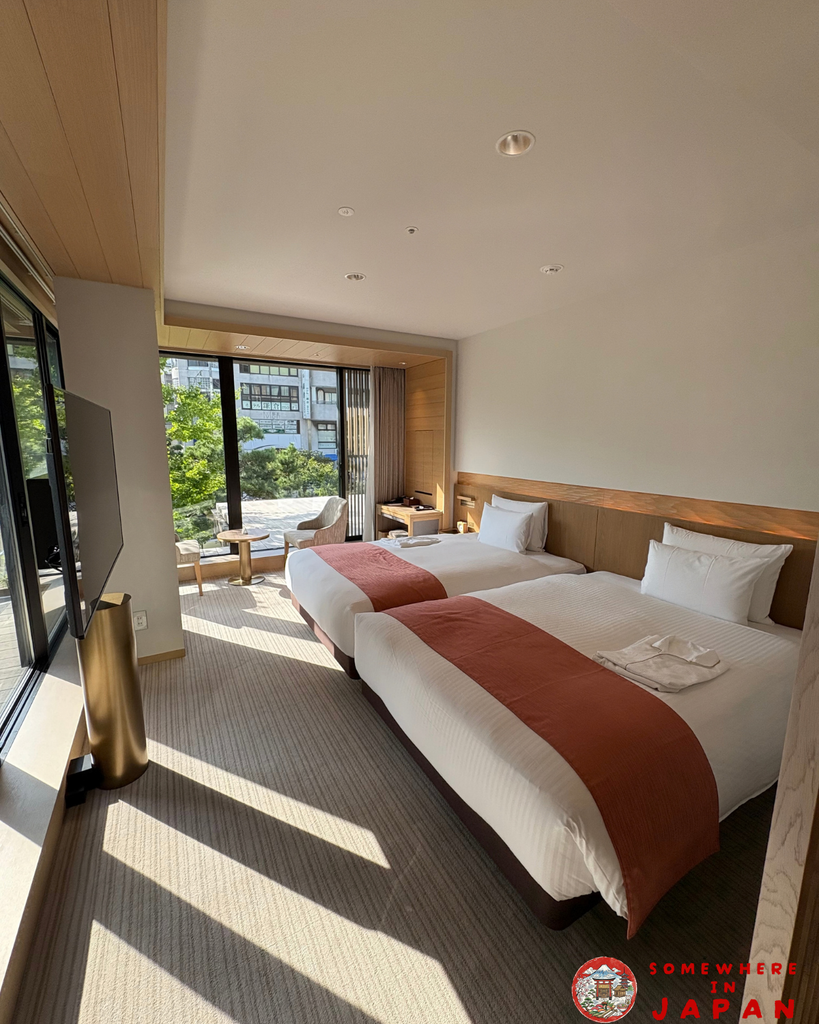
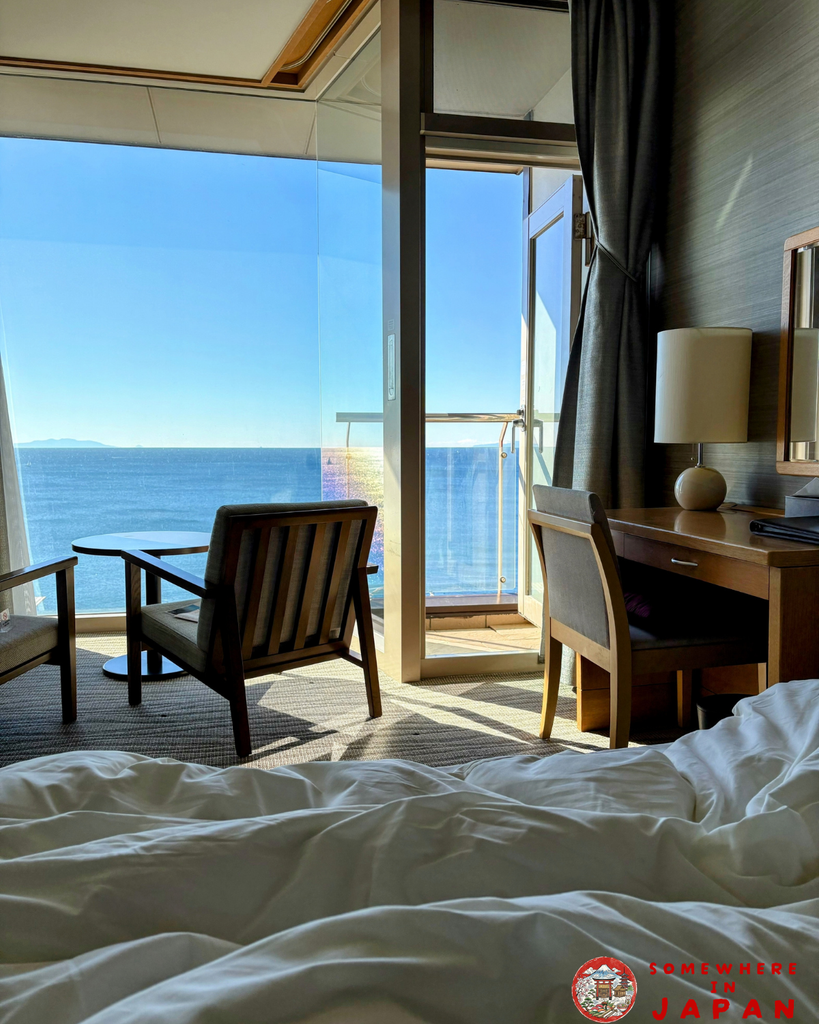
With so many incredible sights in Kamakura, staying overnight is a fantastic option if you want to explore every corner of the town!
HOTEL METROPOLITAN KAMAKURA
Located just a 2-minute walk from Kamakura Station and right near Tsurugaoka Hachimangu Shrine and Komachi-dori Shopping Street, this high-quality hotel is the ideal base for exploring Kamakura!
✅Refined Guest Rooms Embracing the Warmth of Dappled Sunlight: Every room features a separate bathroom and toilet for a relaxing stay. Large windows offer views of Kamakura’s nature and cityscape, ensuring a peaceful and comforting experience.
✅A Thoughtfully Crafted Breakfast at Café&Meal MUJI: Highly popular for its hotel-exclusive breakfast menu made with local ingredients! Enjoy delicious, wholesome dishes perfect for fueling up before your Kamakura stroll.
HOTEL METROPOLITAN KAMAKURA
Address: 1-8-1 Komachi, Kamakura City, Kanagawa Prefecture
Access: Approx. 2-minute walk from the East Exit of Kamakura Station on the JR Yokosuka Line and Enoshima Electric Railway (Enoden)
Kamakura Prince Hotel
Perched on the heights of Shichirigahama, this all-ocean-view hotel offers sweeping views of Sagami Bay, Enoshima, and even Mt. Fuji on clear days!
✅Breathtaking Location with Ocean Views from Every Room: The blue sea and sky fill your room’s windows! At sunset, you will be captivated by the magical panorama of Enoshima and Sagami Bay bathed in the evening glow.
✅Exquisite French & Dining Experiences Overlooking the Ocean: At the oceanfront restaurant, savor top-tier French cuisine and Japanese dishes crafted with fresh local ingredients, including seafood from Sagami Bay and Sagami beef.
Kamakura Prince Hotel
Address: 1-2-18 Shichirigahama-higashi, Kamakura City, Kanagawa Prefecture
Access:
Approx. 8-minute walk from Shichirigahama Station on the Enoshima Electric Railway (Enoden) — inclined elevator and free shuttle van are also available
Approx. 15 minutes by taxi from JR/Enoden Kamakura Station / Approx. 30 minutes by car from the Asahina IC on the Yokohama-Yokosuka Road
Final Thoughts: Is Kamakura Worth Visiting?
Absolutely! Kamakura is arguably the single best day trip from Tokyo for travelers who want a rich taste of traditional Japanese culture, history, nature, and food without traveling all the way to Kyoto.
It also offers an incredible mix of coastal scenery, historic temples, shrines, and a relaxed beach town atmosphere.

Comments